A hook grip is a powerful technique used by weightlifters to enhance grip strength and stability during lifts. By wrapping the thumb over the fingers, the hook grip helps secure the barbell more securely than a traditional grip. This method is especially beneficial in Olympic weightlifting and deadlifting, where maintaining a solid grip is crucial for success. Mastering the hook grip can elevate your lifting performance and prevent slips or grip fatigue. Explore the ins and outs of what makes a hook grip a game-changer in the world of strength training.

What is a Hook Grip? Unveiling the Technique Behind Powerlifting Mastery
Welcome, young athletes and fitness enthusiasts! Have you ever wondered what the secret weapon is that powerlifters use to lift those heavy weights with ease and precision? Well, today we are going to uncover the mystery behind one of the fundamental techniques in the world of powerlifting – the hook grip!
The Basics: Understanding the Hook Grip
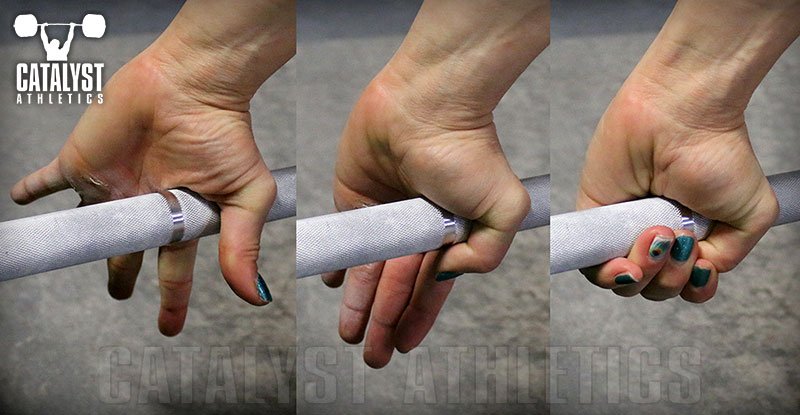
The hook grip is a specialized grip technique used in powerlifting, particularly in exercises such as the deadlift and snatch. Unlike a traditional overhand or underhand grip where the thumb is positioned on the same side as the fingers, the hook grip involves wrapping the thumb around the bar and then gripping it with the fingers over the thumb.
By utilizing the hook grip, powerlifters can create a more secure and stable grip on the bar, allowing them to lift heavier loads and maintain better control throughout the movement. This technique is essential for maximizing strength and reducing the risk of the bar slipping out of your hands during lifts.
The Benefits of Using the Hook Grip
So, why should you consider incorporating the hook grip into your lifting routine? Let’s dive into some of the key benefits that this technique offers:
1. Increased Grip Strength
One of the primary advantages of using the hook grip is the significant boost it provides to your grip strength. By engaging both the thumb and fingers in a secure grip, you can better distribute the weight across your hands, reducing the strain on your forearms and allowing you to lift heavier weights more comfortably.
2. Enhanced Stability and Control
With the hook grip, you can create a tight and secure hold on the bar, which enhances stability and control throughout the lift. This increased control is crucial when lifting heavy weights, as it helps prevent the bar from slipping or rolling out of your hands, leading to a more efficient and effective performance.
3. Better Bar Positioning
Another benefit of the hook grip is that it allows for better bar positioning in your hands. By wrapping the thumb around the bar, you can center it more effectively in your grip, optimizing your biomechanics and ensuring a straight bar path during the lift.
Mastering the Hook Grip: Tips and Techniques
Now that you understand the fundamentals of the hook grip, let’s explore some tips and techniques to help you master this powerful grip style:
1. Start with Lighter Weights
When first learning the hook grip, it’s essential to start with lighter weights to allow your hands to adapt to the new grip. Gradually increase the weight as you become more comfortable with the technique to build strength and confidence.
2. Focus on Thumb Positioning
Pay close attention to the positioning of your thumb when using the hook grip. Ensure that your thumb is securely wrapped around the bar, with your fingers gripping over the top. This thumb placement is crucial for creating a solid foundation for your grip.
3. Practice Consistently
Like any new skill, mastering the hook grip requires consistent practice. Incorporate the hook grip into your lifting routine regularly to improve your technique and strengthen your grip over time.
In conclusion, the hook grip is a game-changing technique that can take your powerlifting performance to the next level. By understanding the principles behind the hook grip, embracing its benefits, and dedicating time to mastering the technique, you can enhance your grip strength, stability, and control in the gym.
So, next time you hit the weights, remember to give the hook grip a try and experience the difference it can make in your lifting journey. Stay strong and keep lifting, young champions!
Hook Grip: How & Why
Frequently Asked Questions
What is a hook grip?
A hook grip is a technique used in weightlifting where the lifter grips the barbell with the thumb under the first two or three fingers, instead of wrapping the thumb around the bar. This technique is commonly used in the sport of Olympic weightlifting to secure a strong grip on the barbell.
How does a hook grip differ from a traditional grip?
Unlike a traditional grip where the thumb wraps around the barbell, in a hook grip, the thumb is placed under the fingers, allowing for a more secure hold on the bar. This grip helps prevent the barbell from slipping during lifts and can provide more stability and control.
Why is using a hook grip beneficial in weightlifting?
Using a hook grip in weightlifting offers several benefits. It can help increase grip strength, reduce the risk of the bar slipping during lifts, and enable the lifter to maintain a more secure and stable grip on the barbell. This grip technique is particularly valuable when lifting heavy weights in Olympic lifts like the snatch and clean and jerk.
Final Thoughts
In conclusion, the hook grip is a powerful technique used in weightlifting to enhance grip strength. By wrapping the thumb around the barbell and fingers, lifters improve their hold on the weight, allowing for better control and stability during lifts. The hook grip is particularly beneficial in exercises like deadlifts and snatches, where a secure grip is essential for success. Incorporating the hook grip into your weightlifting routine can help you lift heavier weights and prevent grip fatigue. Remember, mastering the hook grip takes time and practice, but the benefits are worth the effort.