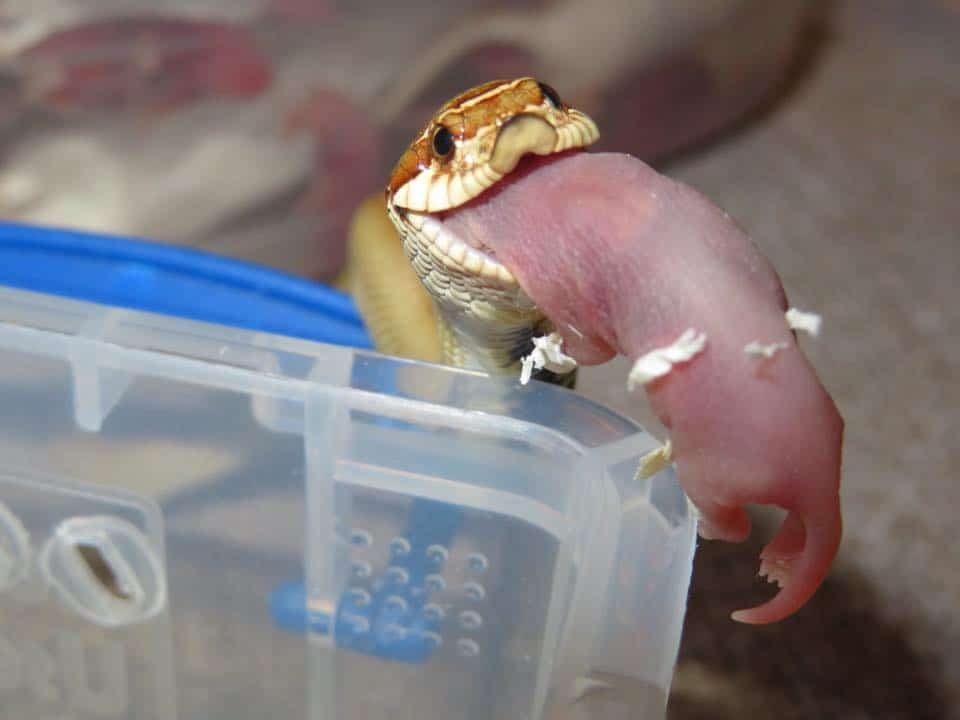
Hognose snakes in captivity thrive on a diet primarily consisting of rodents. These fascinating reptiles have unique feeding habits that make mealtime an interesting experience for snake enthusiasts. Understanding what do hognose snakes eat in captivity is crucial to ensure they receive proper nutrition and thrive in a captive environment. By learning about their dietary preferences and needs, snake keepers can provide a well-balanced diet for these captivating creatures, promoting their health and well-being. Stay tuned to discover the ins and outs of feeding hognose snakes in captivity.

What Do Hognose Snakes Eat in Captivity
Welcome to our guide where we delve into the fascinating world of hognose snakes and their dietary needs in captivity. Hognose snakes are unique and adorable reptiles known for their upturned snouts and playful behaviors. If you’re considering welcoming a hognose snake into your home, one crucial aspect to understand is their diet. In this article, we will explore everything you need to know about what hognose snakes eat in captivity.
The Natural Diet of Hognose Snakes
Before diving into what hognose snakes eat in captivity, it’s essential to understand their natural diet in the wild. Hognose snakes are opportunistic feeders, meaning they consume a variety of prey depending on availability. In the wild, their diet primarily consists of:
- Frogs and Toads: Hognose snakes have a particular affinity for amphibians, with frogs and toads being a staple in their diet.
- Small Rodents: These snakes also prey on small rodents like mice and voles.
- Lizards: Occasionally, hognose snakes may consume lizards, adding diversity to their diet.
Transitioning to Captivity: Understanding Your Pet Snake’s Needs
When you bring a hognose snake into captivity, replicating their natural diet is essential for their health and well-being. Understanding what hognose snakes eat in the wild helps us tailor their diet in captivity accordingly. Captive hognose snakes require a diet that mirrors their natural feeding habits to thrive.
Feeding Frequency
One of the key aspects of keeping a hognose snake healthy is getting their feeding frequency right. In captivity, hognose snakes typically need to be fed every 5 to 7 days, depending on their age and size. It’s crucial not to overfeed or underfeed your pet snake to maintain their optimal weight and health.
Prey Size and Type
When it comes to offering prey items to your hognose snake, choosing the right size and type is vital. Younger snakes will require smaller prey items like pinky mice, while adult hognose snakes can consume larger prey such as adult mice. It’s essential to offer a varied diet to ensure your snake receives all the necessary nutrients.
Locating Food
Another crucial aspect of feeding hognose snakes in captivity is simulating their hunting behavior. In the wild, hognose snakes actively hunt for their prey. When feeding your pet snake, consider using feeding tongs to mimic natural movements and engage their hunting instincts.
Recommended Diet for Hognose Snakes in Captivity
Now that we’ve covered the basics of what hognose snakes eat in the wild and their dietary requirements in captivity, let’s delve into a detailed breakdown of their recommended diet:
1. Frozen/Thawed Prey Items
Many snake owners opt for frozen/thawed prey items due to convenience and safety. When feeding your hognose snake frozen prey, ensure they are fully thawed and warmed to mimic live prey.
2. Rodents
Rodents like mice are an excellent source of nutrition for hognose snakes. Make sure to choose prey items that are appropriately sized for your snake and monitor their weight to adjust feeding accordingly.
3. Amphibians
Offering amphibians like frogs can be a treat for hognose snakes. However, ensure the frogs are sourced ethically and are free of pesticides or other harmful substances.
4. Insects
Some hognose snakes may enjoy occasional insect treats like crickets or mealworms. Insects can add variety to their diet and provide essential nutrients.
Common Feeding Issues and Solutions
Despite your best efforts, hognose snakes may sometimes exhibit feeding issues. Understanding these challenges and how to address them is essential for your snake’s well-being:
1. Refusal to Eat
If your hognose snake refuses to eat, it could be due to stress, improper husbandry, or a health issue. Ensure your snake’s enclosure is suitable, offer a proper temperature gradient, and consult a reptile veterinarian if the issue persists.
2. Regurgitation
Regurgitation can occur if a snake is fed too soon after handling, the prey is too large, or if the snake is stressed. Allow your snake adequate time to digest its meal and ensure prey items are the appropriate size.
3. Obesity
Overfeeding can lead to obesity in hognose snakes, resulting in various health issues. Monitor your snake’s weight and adjust feeding frequency if necessary to prevent obesity.
In conclusion, understanding what hognose snakes eat in captivity is crucial for providing these charming reptiles with a healthy and balanced diet. By replicating their natural feeding habits in captivity and addressing common feeding issues, you can ensure the well-being of your pet hognose snake. Remember to tailor your snake’s diet based on their age, size, and preferences to promote a happy and thriving companion.
We hope this guide has been informative and helpful in navigating the dietary needs of hognose snakes in captivity. If you have any further questions or need assistance, feel free to reach out to us. Happy feeding!
What Do Hognose Snakes Eat In Captivity? – PetGuide360.com
Frequently Asked Questions
What is the typical diet for hognose snakes in captivity?
In captivity, hognose snakes primarily eat mice, rats, and occasionally other small rodents. These can be purchased frozen and thawed before offering them to the snake. It is important to ensure the prey items are appropriately sized for the snake to prevent any regurgitation or other health issues.
How often should hognose snakes be fed in captivity?
Hognose snakes should typically be fed once every 5-7 days in captivity. Younger snakes or those still growing may require more frequent feedings, while adult snakes may be fed less often. It is important not to overfeed hognose snakes as obesity can lead to various health problems.
Can hognose snakes be fed live prey in captivity?
While some snake owners choose to feed live prey to their hognose snakes, it is generally not recommended. Live prey can potentially injure the snake during feeding, and there is also the risk of the prey fighting back and causing harm. It is safer and more humane to feed pre-killed, frozen-thawed prey items.
Do hognose snakes require any supplements in their diet in captivity?
Hognose snakes typically do not require additional supplementation if they are being fed a varied diet of appropriately sized prey items. However, if you are concerned about the nutritional balance of their diet, you may consider dusting the prey with a reptile-specific vitamin and mineral supplement occasionally.
Final Thoughts
Hognose snakes in captivity thrive on a diet of rodents, mainly mice and rats. Their feeding schedule should be consistent, with appropriately sized prey given every 5-7 days. Variety in prey items is important to ensure a well-rounded diet and prevent nutritional deficiencies. Understanding what hognose snakes eat in captivity is crucial for their health and well-being.