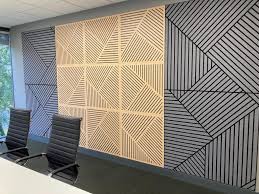
Interior design is a delicate balance between functionality and visual appeal. Among the many design elements that have stood the test of time, dado panelling continues to remain a symbol of refinement and taste. Originating centuries ago, this design feature was initially created with practical intentions but has gradually evolved into a hallmark of timeless elegance. Today, it brings together tradition and sophistication, offering interiors a distinctive character that feels both classic and contemporary.
The original purpose of dado panelling was to protect lower walls from scuffs, scratches, and general wear. Over the years, however, it became far more than a protective measure. Designers and homeowners discovered its ability to transform plain walls into architectural features that added texture, depth, and artistry to a room. This blend of utility and beauty is one of the reasons dado panelling has never faded from popularity, instead adapting seamlessly to modern design sensibilities.
One of the most appealing qualities of dado panelling is its versatility. It can be tailored to suit a variety of interiors, from traditional country homes to sleek urban apartments. The choice of materials, finishes, and heights allows each space to reflect a unique personality. In a classic setting, wood panelling can bring warmth and richness, while in a contemporary environment, painted panels in lighter shades create a sense of openness and calm. By combining subtle detailing with thoughtful colour palettes, dado panelling becomes an understated feature that enhances the overall atmosphere without overwhelming it.
The elegance of dado panelling also lies in the harmony it creates within a room. Walls often serve as blank canvases, but when framed with panelling, they acquire structure and proportion. This not only adds visual rhythm but also elevates the sense of balance between floors, ceilings, and furnishings. In dining rooms and living areas, the effect can be especially striking, establishing a backdrop that complements both modern and vintage furniture. Even in hallways and transitional spaces, the panelling lends a refined continuity that ties different areas of the home together.
Another reason dado panelling continues to capture attention is its ability to combine tradition with innovation. While its roots are firmly grounded in heritage, designers today experiment with bold colours, contrasting materials, and creative profiles to make the feature feel fresh. For instance, pairing minimalist furniture with richly detailed panels creates a beautiful juxtaposition that celebrates the past while embracing the present. This fusion ensures that the design element remains relevant across changing trends.
Beyond aesthetics, there is also an emotional appeal. Dado panelling evokes a sense of craftsmanship and permanence, qualities that resonate in a world where fast and temporary solutions are common. It reminds us of an era when interiors were built to last, carrying with them a quiet dignity. This enduring charm makes the feature more than just decoration; it becomes a statement of style, taste, and appreciation for design heritage.
In essence, dado panelling is more than a wall treatment—it is an expression of timeless elegance. By blending tradition with contemporary design approaches, it enriches spaces with texture, depth, and personality. Whether chosen for its classic charm or modern adaptability, it continues to hold a place of distinction in interiors, proving that true style is always enduring.