Over processed hair occurs when chemicals and treatments weaken the hair shaft, leading to dryness, breakage, and dullness. Tackling this issue requires understanding the causes and implementing appropriate solutions. Damage from excessive coloring, bleaching, or heat styling contributes to over processed hair, affecting its strength and appearance. Recognizing the signs of over processed hair is crucial for taking corrective actions and restoring hair health. Let’s delve deeper into understanding what is over processed hair and how to revive it to its natural beauty.

What is Over Processed Hair?
Welcome, young readers! Today, we are going to talk about something that affects many people – over processed hair. But what exactly is over processed hair? Let’s dive into the world of hair care and find out!
The Basics of Hair
Before we understand what over processed hair is, let’s first learn a little bit about hair itself. Your hair is made up of a protein called keratin, and it grows from follicles in your scalp. Hair is important for protecting your head and keeping you warm, but it can also be styled in many different ways to show off your personality!
What Does it Mean to Over Process Your Hair?
When we talk about over processed hair, we are referring to hair that has been through too many chemical processes. These processes can include things like coloring, perming, straightening, and more. While these treatments can make your hair look fabulous, doing them too often or using harsh chemicals can damage your locks.
Effects of Over Processing
So, what happens when you over process your hair? Well, there are a few things to watch out for. One common issue is dryness – too many chemical treatments can strip your hair of its natural oils, leaving it looking dull and lifeless. Over processed hair can also become fragile and prone to breakage, which can make it hard to style the way you want.
Signs of Over Processed Hair
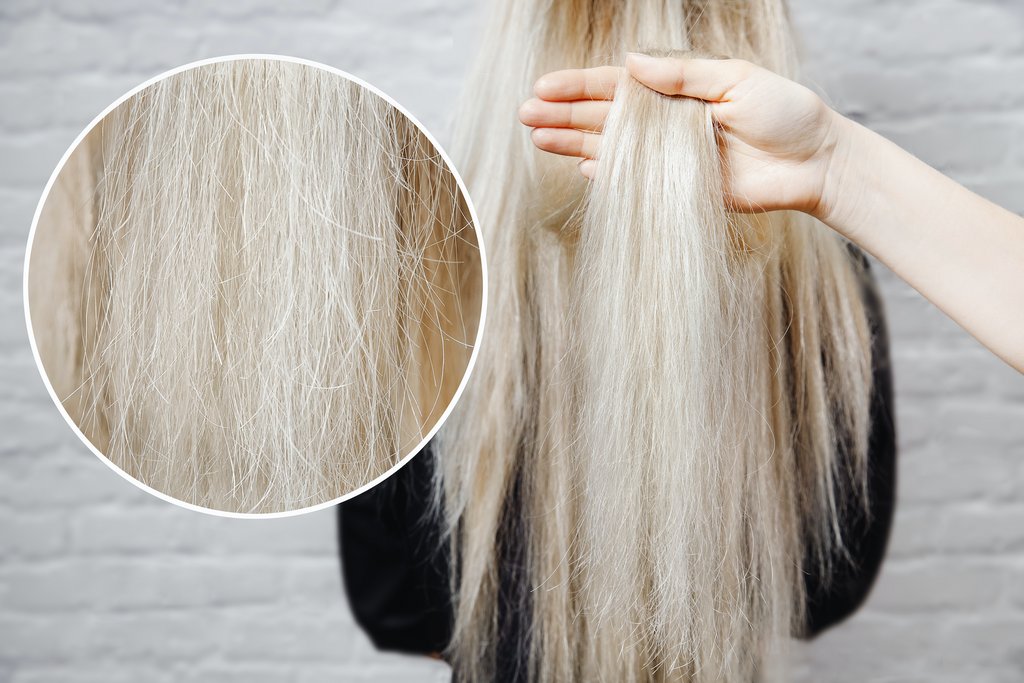
How can you tell if your hair is over processed? There are a few signs to look out for. If your hair feels rough or straw-like to the touch, that could be a clue. Split ends, frizz, and a lack of shine are also indicators that your hair might need some extra care.
Preventing Over Processed Hair
Now that we know what over processed hair is and how to spot it, let’s talk about how to prevent it. The key is to treat your hair with care and avoid too many harsh treatments. Here are some tips to keep your hair looking happy and healthy:
1. Limit Chemical Treatments
Try not to color, perm, or straighten your hair too often. Give your locks a break in between treatments to let them recover.
2. Use Gentle Hair Products
Choose shampoos and conditioners that are gentle on your hair and free from harsh chemicals. Look for products that are designed to moisturize and strengthen your locks.
3. Deep Condition Regularly
Treat your hair to a deep conditioning treatment once a week to help nourish and repair any damage. You can use a store-bought treatment or make your own using natural ingredients like honey and coconut oil.
4. Protect Your Hair
When styling your hair with heat tools like straighteners or curling irons, always use a heat protectant spray to prevent damage. You can also wear a hat or scarf to shield your hair from the sun’s harmful rays.
Caring for Over Processed Hair
If your hair is already over processed, don’t worry – there are ways to help restore its health and beauty. Here are some tips for caring for over processed hair:
1. Trim Regularly
Visit your hairdresser for regular trims to get rid of split ends and keep your hair looking its best. Trimming can also help prevent further damage from traveling up the hair shaft.
2. Use Leave-In Conditioner
After washing your hair, apply a leave-in conditioner to help hydrate and protect your locks throughout the day. This can help combat dryness and frizz.
3. Avoid Overwashing
Washing your hair too frequently can strip it of its natural oils, making it even more prone to dryness and damage. Try to wash your hair no more than a few times a week.
4. Opt for Gentle Styles
Avoid tight hairstyles that can put stress on your already fragile hair. Instead, opt for loose braids or buns to give your locks a break.
The Bottom Line
In conclusion, over processed hair is when your hair has been through too many chemical treatments, leading to dryness, breakage, and other issues. The key to healthy hair is to treat it with care, limit harsh treatments, and nourish it regularly. Remember, your hair is your crowning glory, so take good care of it!
That’s all for today, young readers! We hope you now have a better understanding of what over processed hair is and how to care for it. Keep these tips in mind, and your hair will thank you for it! Stay fabulous!
Over processed HAIR 😵 chemical melt from bleaching
Frequently Asked Questions
What are the signs of over processed hair?
Over processed hair often appears dry, brittle, and frizzy. It may also be prone to breakage, split ends, and lack of shine. Additionally, over processed hair can feel rough to the touch and may have a dull appearance.
How does hair become over processed?
Hair becomes over processed when it is subjected to excessive chemical treatments such as coloring, perming, or straightening. Using harsh hair products, frequent heat styling, or prolonged exposure to the sun can also contribute to over processing.
Can over processed hair be repaired?
While it’s challenging to completely reverse the damage caused by over processing, there are steps you can take to help repair your hair. Deep conditioning treatments, trimming off damaged ends, reducing heat styling, and using gentle hair products can all contribute to improving the appearance and health of over processed hair.
Final Thoughts
Over processed hair is a common issue caused by excessive chemical treatments or heat styling. It becomes brittle, dry, and prone to breakage. To prevent further damage, it’s essential to nourish and repair the hair with deep conditioning treatments. Avoiding excessive use of heat tools and opting for gentler hair products can help restore the health of over processed hair. Embrace a hair care routine that focuses on hydration and protection to bring back luster and strength to your hair.