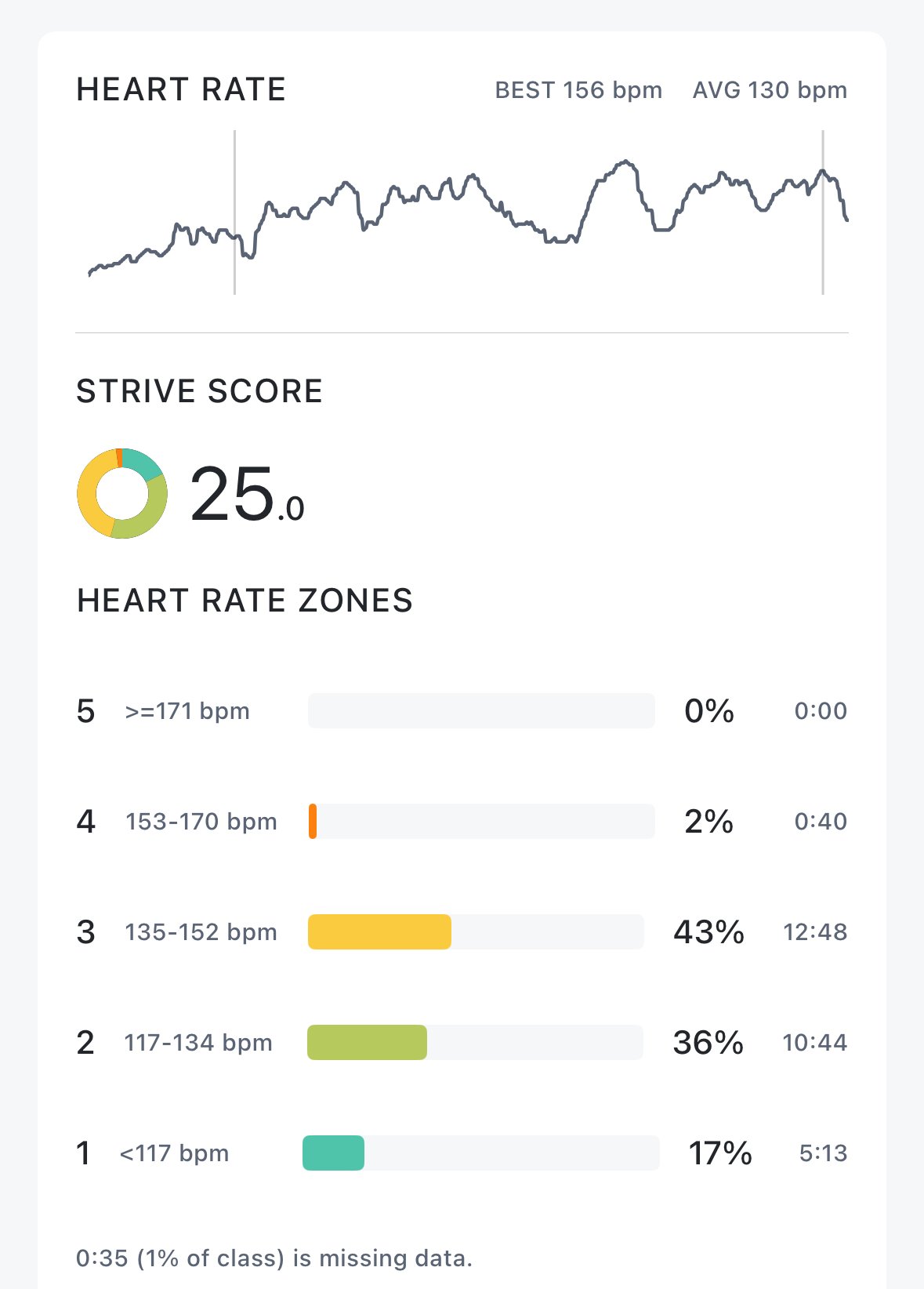
A good strive score on Peloton typically falls within the range of 75-250, reflecting your effort and intensity during a workout. Strive score is a metric that combines your cadence and resistance, providing a holistic view of your performance. Achieving a higher strive score indicates a more challenging and effective workout session. Understanding what constitutes a good strive score can help you track your progress and set new fitness goals. Let’s delve deeper into the significance of strive score and how you can optimize it to enhance your Peloton experience.

What is a Good Strive Score on Peloton?
Understanding Strive Score
If you’ve been riding on the Peloton bike or engaging in Peloton classes, you might have come across the term “Strive Score.” But what exactly does it mean? In simple terms, your Strive Score is a holistic measure of how much effort you put into a workout. It takes into account your heart rate and how long you sustain that effort.
Calculating Strive Score
Peloton calculates your Strive Score by considering your heart rate zones and the time you spend within each zone during a workout. The harder you work within your heart rate zones, the higher your Strive Score will be. This personalized metric helps you track your progress and push yourself to new limits.
What is a Good Strive Score?
Now that we understand what a Strive Score is, the big question is: what constitutes a good Strive Score on Peloton? Well, the answer isn’t straightforward as it varies from person to person. Factors like age, fitness level, and overall health play a significant role in determining what is considered a good Strive Score for an individual.
Personalized Goals
Peloton encourages users to set personalized goals based on their fitness levels and objectives. This means that a good Strive Score for you might not necessarily be the same for someone else. It’s all about challenging yourself and improving your own performance over time.
Tracking Progress
One of the great things about the Strive Score is that it allows you to track your progress consistently. As you continue to work out on the Peloton bike or in classes, you can see how your Strive Score evolves. Your aim should be to gradually increase your Strive Score as your fitness improves.
Tips for Improving Your Strive Score
If you’re looking to boost your Strive Score on Peloton, here are some tips to help you get started:
1. Consistency is Key
Consistent workouts are crucial for improving your fitness level and increasing your Strive Score. Make a schedule and stick to it to see long-term progress.
2. Mix Up Your Workouts
Variety is important when it comes to fitness. Try different types of classes on Peloton to challenge your body in new ways and prevent plateaus.
3. Focus on Form
Having proper form during workouts can make a significant difference in your performance. Pay attention to your posture and technique to maximize your effort.
4. Stay Hydrated and Fuel Your Body
Hydration and nutrition play a vital role in your performance. Make sure you drink enough water and eat a balanced diet to support your workouts.
In conclusion, a good Strive Score on Peloton is one that reflects your personal effort and progress. By understanding how your Strive Score is calculated and setting realistic goals for yourself, you can work towards improving your fitness level and achieving new milestones. Remember, it’s not about comparing your score to others but about challenging yourself to be the best version of you. So keep pedaling, keep pushing, and watch your Strive Score soar!
Peloton Strive Score Explained – How it works and should you use it
Frequently Asked Questions
What factors determine a good strive score on Peloton?
A good strive score on Peloton is influenced by various factors including your age, weight, gender, fitness level, duration of the workout, intensity of your effort, and overall consistency in using the Peloton bike or app. The strive score is calculated based on your perceived exertion during the workout, heart rate, and power output.
How can I improve my strive score on Peloton?
To enhance your strive score on Peloton, you can focus on increasing the intensity of your workouts, maintaining a consistent training schedule, ensuring proper hydration and nutrition, getting adequate rest, and gradually progressing in your fitness journey. Setting specific goals and tracking your progress can also help boost your strive score over time.
Is there a specific strive score range considered good for beginners?
For beginners, a good strive score range on Peloton typically varies based on individual fitness levels, but aiming for a strive score between 100-200 can be a good starting point. It’s essential to listen to your body, gradually build up your stamina, and adjust the intensity of your workouts to maintain a challenging yet sustainable pace.
Can I compare my strive score with others on Peloton?
While Peloton provides strive score metrics for personal tracking and improvement, it’s important to focus on your own progress rather than comparing your strive score with others. Strive scores can vary greatly depending on individual factors, so the key is to set personal goals, challenge yourself, and strive for continuous improvement over time.
Final Thoughts
Strive score on Peloton reflects your overall effort during a workout. An ideal strive score varies based on individual fitness levels and goals. Generally, a good strive score on Peloton ranges between 100-300, indicating a solid effort with room for improvement. Consistently tracking and aiming to increase your strive score can help you push yourself further and achieve better fitness results. Remember, the best strive score for you is the one that challenges and motivates you to improve over time.