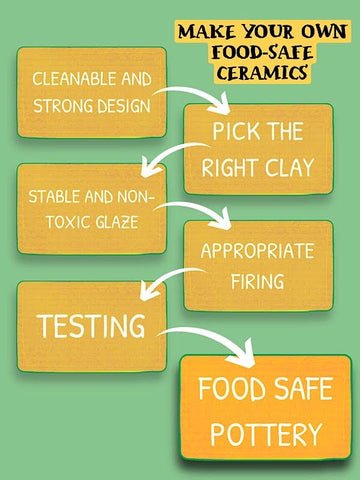
Clay that is food safe is typically labeled as non-toxic and lead-free. When it comes to creating functional ceramics or cookware, using the right type of clay is crucial. Porous clays like earthenware may not be ideal for food-related items, as they can absorb liquids and harbor bacteria. Stoneware and porcelain clays are often recommended for food-safe projects due to their dense and vitrified nature. Understanding the specific characteristics of different clays will help ensure that the items you create are safe for food use.

What Clay Is Food Safe: A Guide to Choosing the Right Clay for Your Kitchen
Welcome, young chefs and pottery enthusiasts! Have you ever wondered what makes clay safe for food use? In this guide, we will dive into the world of clay to discover what clay is food safe and why it matters. Whether you enjoy crafting your own dishes or are curious about the materials in your cookware, this article will provide you with the knowledge you need to make informed decisions. Let’s get cracking!
The Importance of Food-Grade Clay
Imagine baking your favorite cookies in a dish made of harmful clay that could leach toxic substances into your food. Scary, right? That’s why using food-safe clay is crucial when it comes to kitchenware. Food-grade clay is specially formulated to ensure that it does not contain any harmful chemicals or impurities that could contaminate your meals.
When choosing clay for your kitchen creations, look for labels that indicate the product is food safe. This certification means that the clay has undergone rigorous testing to meet safety standards for food-contact surfaces. By using food-grade clay, you can cook and serve your dishes with confidence, knowing that your health is not at risk.
Types of Food-Safe Clay
Now that we understand the importance of food-grade clay, let’s explore the different types of clay that are considered safe for culinary use:
1. Stoneware Clay
Stoneware clay is a popular choice for making pottery and cookware due to its durability and versatility. This type of clay is fired at high temperatures, which vitrifies the clay and makes it non-porous, ensuring that no liquids or food particles can seep into the surface. Stoneware clay is known for its ability to withstand high heat, making it ideal for baking dishes, mugs, and other kitchen essentials.
2. Porcelain Clay
Porcelain clay is a fine-grained and smooth type of clay that is often used in making delicate tableware and serving dishes. This clay is fired at extremely high temperatures, resulting in a durable and translucent finish. Porcelain clay is prized for its elegant appearance and non-reactive properties, making it a safe choice for food contact surfaces.
3. Earthenware Clay
Earthenware clay is a more porous type of clay that is fired at lower temperatures than stoneware or porcelain. While earthenware is not as durable as other clays, it is great for creating decorative pieces and dishes that do not require high heat exposure. When choosing earthenware for food use, make sure it is coated with a food-safe glaze to prevent any absorption of liquids or food residues.
Safe Practices for Using Clay in the Kitchen
Once you have selected the right food-safe clay for your kitchen projects, it’s essential to follow safe practices to ensure the longevity and safety of your cookware:
1. Handwashing Only
While some food-safe clay items may be labeled as dishwasher safe, it is generally best to handwash your clay dishes to avoid any potential damage from harsh detergents or high temperatures.
2. Avoid Extreme Temperature Changes
Avoid sudden temperature changes, such as placing a hot clay dish directly into cold water, as this can cause thermal shock and lead to cracking or breakage.
3. Season New Clay Cookware
If you are using a new clay cooking vessel, consider seasoning it by gently heating it in the oven with a light coating of oil to help improve its non-stick properties and prevent food from sticking.
Choosing the right food-safe clay for your kitchen endeavors is essential for creating healthy and enjoyable culinary experiences. By selecting high-quality stoneware, porcelain, or earthenware clay, you can craft beautiful and functional kitchenware that is safe for food use. Remember to follow safe practices when using clay in the kitchen to prolong the life of your cookware and ensure the safety of your meals. Let your creativity shine as you explore the world of food-safe clay!
Happy cooking!
How to make pottery Food Safe, Microwave Safe, & Dishwasher Safe // It's all about Vitrification!
Frequently Asked Questions
What factors determine if a clay is food safe?
Clays that are food safe are typically determined by their mineral composition, firing temperature, and any added materials. Clay with a high percentage of silica and alumina that has been fired to a sufficient temperature to remove impurities is generally considered safe for food use. Be sure to check if any additional materials or glazes used are also food safe.
Can all types of clay be used for making food-safe pottery?
Not all types of clay are suitable for making food-safe pottery. Clays that contain toxic substances such as lead or cadmium are not safe for use with food. It’s important to choose a clay that is specifically labeled as food safe and intended for pottery that will come into contact with food or drink.
How can I ensure the clay I use for making dishes is food safe?
To ensure the clay you use for making dishes is food safe, look for clays that meet FDA guidelines for food safety. Make sure the clay is labeled as food safe and intended for use with food or drink. Additionally, consider using food-safe glazes and making sure the pottery is properly fired to remove any impurities.
Final Thoughts
In conclusion, when considering which type of clay is food safe, it is crucial to choose non-toxic, lead-free options such as earthenware, stoneware, or porcelain. These clays are fired at high temperatures, making them suitable for food contact. Always look for the label indicating the clay is food safe. Remember to avoid using decorative or craft clays for food-related items, as they may contain harmful chemicals. Overall, prioritize safety by selecting the appropriate clay for food-safe creations.