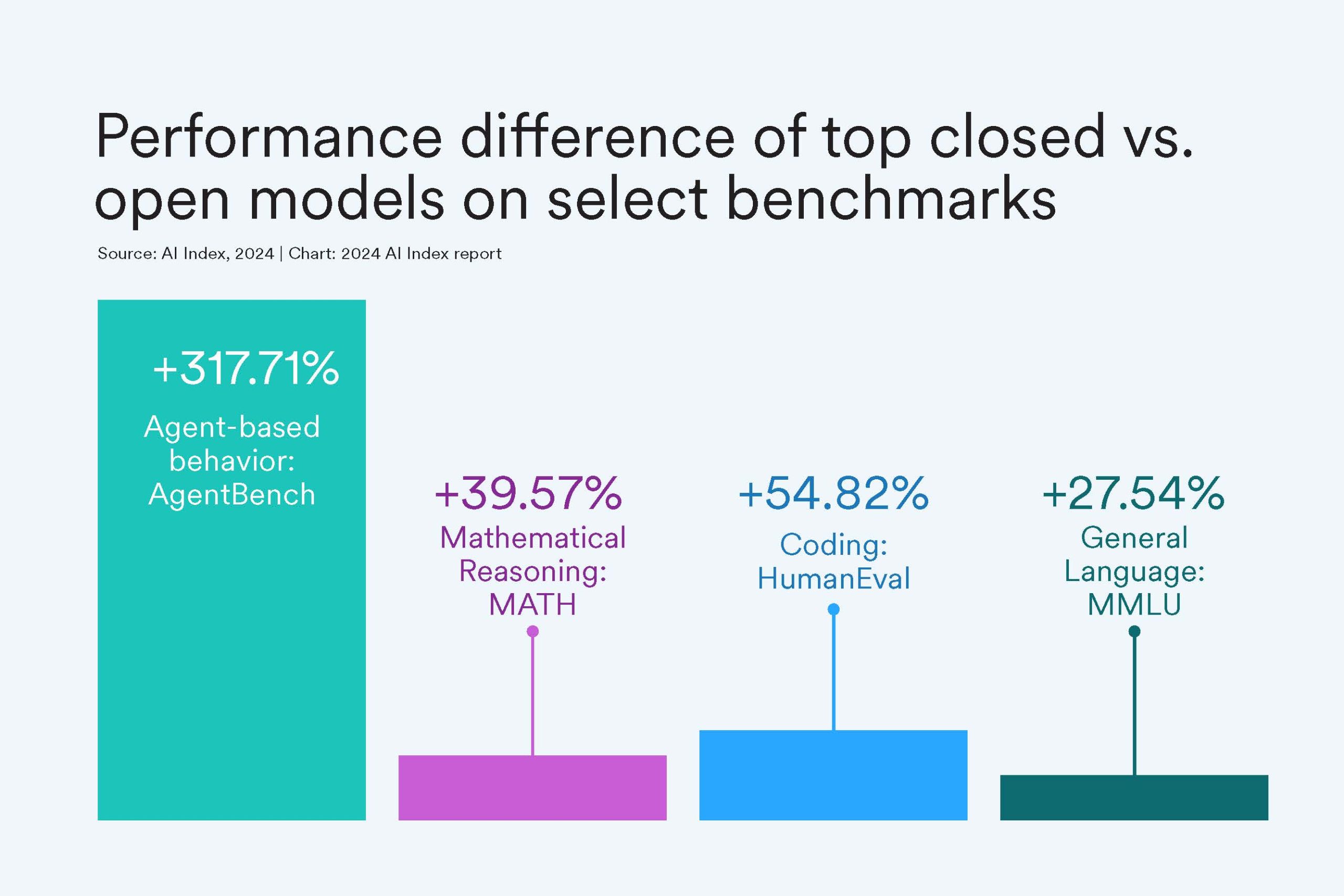
Open-Weight vs Open-Source AI models are often confused, but they serve different purposes in the AI landscape. Understanding these differences is crucial for developers and businesses alike.
Understanding Open-Weight AI Models
Open-weight AI models are a specific type of artificial intelligence framework that allows users to access and utilize the model’s parameters without restrictions. Unlike their open-source counterparts, which provide both the code and model parameters, open-weight models focus primarily on the weights that govern the model’s performance.
These models are designed to be user-friendly, enabling developers and researchers to fine-tune existing AI architectures for their specific needs. The open-weight approach is particularly beneficial in scenarios where computational resources are limited, as users can leverage pre-trained weights rather than training models from scratch.
Key characteristics of open-weight AI models include:
- Accessibility: Users can easily download and implement the model’s weights in their projects.
- Customization: Developers can modify the model for specialized applications without needing to delve into the underlying code.
- Efficiency: Utilizing pre-trained weights can significantly reduce the time and resources required for model training.
In summary, open-weight AI models represent a practical solution for many, providing a balance between accessibility and functionality, distinguishing them from open-source AI initiatives.
Exploring Open-Source AI Benefits
Open-source AI offers several significant benefits that contribute to its growing popularity in the tech community. One of the primary advantages is transparency. Since the source code is available for anyone to inspect, developers can identify potential issues, enhance security, and ensure that the models behave as intended.
Another key benefit is collaboration. Open-source projects encourage a diverse range of contributors to work together, fostering innovation and rapid development. This collaborative environment allows for the sharing of ideas and improvements, leading to more robust AI solutions.
Furthermore, open-source AI promotes accessibility. By removing financial barriers, it enables smaller organizations and individuals to leverage advanced AI technologies without significant investment. This democratization of AI technology can drive creativity and innovation across various sectors, from healthcare to education.
Lastly, open-source AI can enhance interoperability. With standardized code bases, different AI systems can work together more effectively, allowing for seamless integration and improved functionality across platforms.
In contrast to open-weight models, which may offer flexibility in architecture, open-source AI focuses on community-driven development and widespread accessibility, making it an attractive option for many.
Open-Weight vs Open-Source AI: Key Differences
The landscape of artificial intelligence is rapidly evolving, with two significant approaches gaining prominence: Open-Weight AI and Open-Source AI. While they may seem similar at first glance, there are key differences that set them apart.
- Definition: Open-Weight AI refers to models that provide access to their weights, allowing developers to modify and optimize them for specific tasks. In contrast, Open-Source AI encompasses a broader range of software that includes not only the models but also their underlying code and documentation.
- Accessibility: Open-Weight models typically require a certain level of expertise to implement effectively. Users must understand how to adjust the weights for their applications. Open-Source AI, however, is designed to be more user-friendly, with comprehensive documentation and community support to assist users.
- Innovation: Open-Weight approaches can lead to rapid advancements in model performance, as researchers can experiment with different weights. Meanwhile, Open-Source AI fosters collaboration among developers, encouraging innovation through shared knowledge and code.
In summary, while both Open-Weight and Open-Source AI contribute to the field of artificial intelligence, their distinct characteristics cater to different needs and expertise levels in the tech community.
Choosing the Right AI Model for Your Needs
When it comes to selecting the right AI model for your needs, understanding the distinctions between Open-Weight and Open-Source AI is crucial. Each model has unique characteristics that cater to different requirements and use cases.
Open-Weight AI models offer a flexible approach, allowing users to access the weights of the neural networks without exposing the underlying code. This enables organizations to tailor models to specific tasks while maintaining proprietary algorithms. On the other hand, Open-Source AI provides complete transparency, with both the code and weights available for modification and improvement by the community.
Here are some factors to consider when choosing between Open-Weight and Open-Source AI:
- Customization: Open-Weight models allow for fine-tuning, while Open-Source models enable extensive customization of code.
- Support: Open-Source AI often benefits from community support, whereas Open-Weight models may rely on commercial support.
- Security: Open-Weight models can provide a level of security for proprietary algorithms, while Open-Source models may expose vulnerabilities.
- Cost: Consider the cost implications of integrating and maintaining each type of model in your infrastructure.
Ultimately, the choice between Open-Weight vs Open-Source AI should align with your organization’s goals, resources, and technical expertise.
The debate surrounding Open-Weight vs Open-Source AI highlights the contrasting philosophies of accessibility and control in artificial intelligence development. Understanding the implications of Open-Weight vs Open-Source AI is crucial for stakeholders in the tech industry.
By Stanford Institute for Human-Centered Artificial Intelligence (permission obtained by email from the AI index research manager) via Openverse