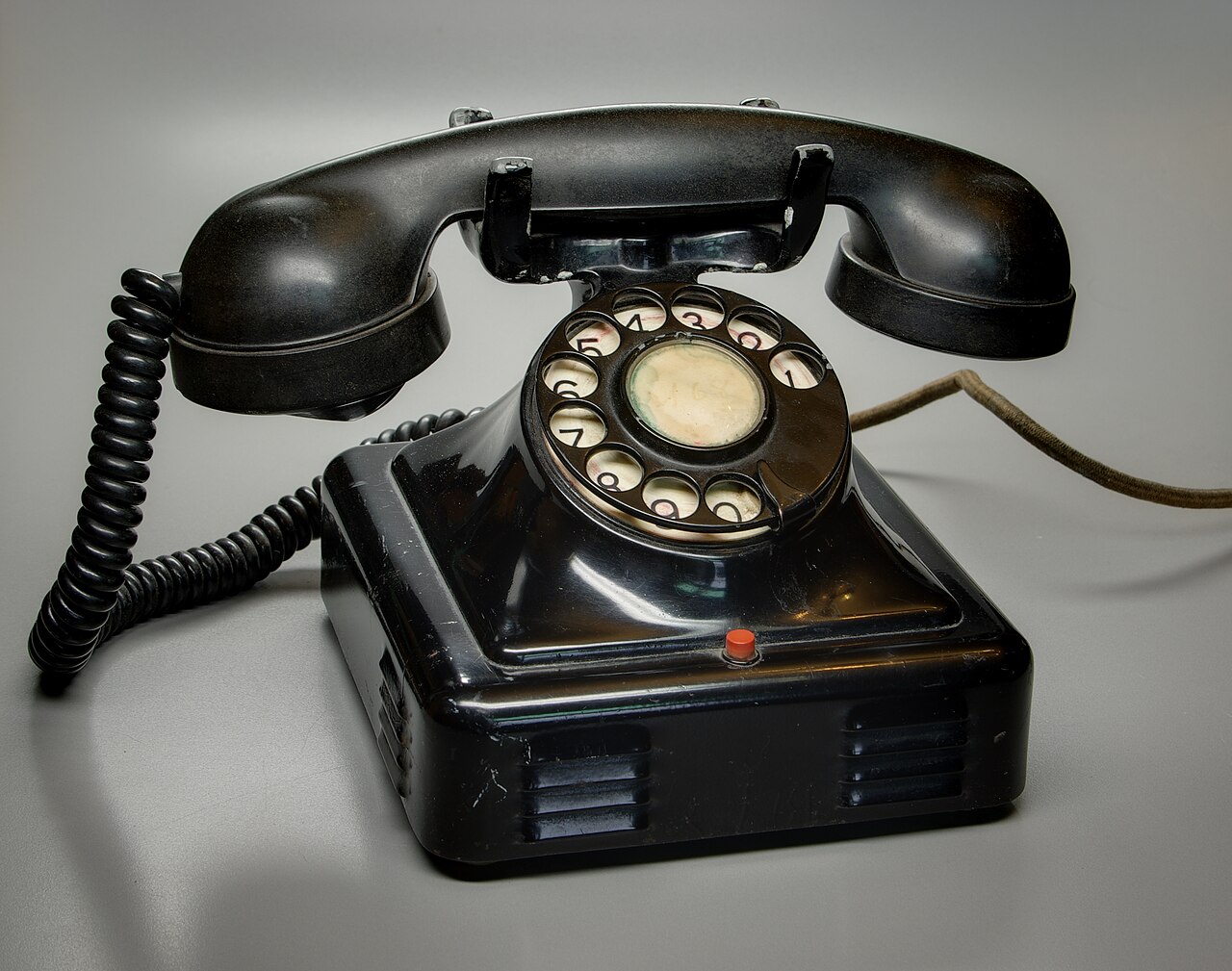
The history of the telephone is a fascinating journey through innovation and connectivity. From its humble beginnings to the modern marvels we use today, this story highlights the key developments that shaped our communication landscape.
The Invention of the Telephone
The invention of the telephone marked a pivotal moment in communication history. Before its creation, people relied on letters, telegrams, and face-to-face interactions. The telephone emerged as a revolutionary tool that transformed how individuals connected over long distances.
In 1876, Alexander Graham Bell was awarded the first patent for the telephone. His groundbreaking device allowed voices to be transmitted through electrical signals, bridging the gap between people who were miles apart. This innovation sparked a wave of advancements in communication technology throughout the late 19th and early 20th centuries.
Key milestones in the history of the telephone include:
- The development of the carbon microphone in 1877, which improved sound quality.
- The introduction of the rotary dial in the 1890s, making it easier to connect calls.
- The establishment of the first telephone exchanges, enabling multiple users to communicate simultaneously.
These innovations laid the groundwork for modern telecommunications and paved the way for future advancements. The history of the telephone reflects an ongoing quest to enhance human connectivity and make communication more accessible to everyone.
Key Figures in Telephone History
The history of the telephone is marked by several key figures whose innovations have shaped communication as we know it today. These pioneers not only advanced technology but also transformed how people connect across distances.
- Alexander Graham Bell: Often credited with inventing the first practical telephone in 1876, Bell’s work laid the foundation for modern telecommunications. His passion for sound and voice led to groundbreaking developments.
- Elisha Gray: A contemporary of Bell, Gray filed a patent for a similar device on the same day as Bell. His contributions to the telephone’s early technology, particularly in the area of voice transmission, are often overlooked.
- Antonio Meucci: An Italian inventor who demonstrated a voice communication apparatus in the 1850s, Meucci’s work predates Bell’s inventions and highlights the collaborative spirit of innovation in the field.
- Thomas Edison: While primarily known for his work with electric light, Edison also made significant improvements to the telephone, including the development of the carbon microphone, which enhanced sound quality.
These individuals represent just a few of the many contributors to the rich tapestry of the history of the telephone.
How the Telephone Changed Communication
The invention of the telephone marked a revolutionary change in the way people communicated. Before its introduction, long-distance communication was limited to written messages or signals, which could be slow and unreliable. The telephone transformed this landscape by allowing instantaneous voice communication, bridging vast distances in real-time.
With the development of the telephone, individuals could converse with each other as if they were in the same room, fostering personal connections and enhancing business interactions. This innovation led to a surge in social and economic activities, as people were no longer constrained by geographical barriers.
Furthermore, the history of the telephone is filled with remarkable advancements that continued to improve its functionality. Innovations such as:
- Switchboards
- Voicemail
- Wireless technology
- Smartphones
have all built upon the original concept, making communication even more accessible and efficient. The telephone not only changed how people interacted but also laid the groundwork for future communication technologies, shaping the world into a more connected place.
Modern Advances in Telephony
In recent years, the history of the telephone has witnessed remarkable advancements that have redefined communication. These modern innovations focus on enhancing connectivity and user experience, making telephony more accessible than ever.
One significant advancement is the integration of smartphones, which combine traditional calling features with internet capabilities. This convergence allows users to communicate through various platforms, such as video calls and messaging apps, all from a single device.
Another noteworthy development is the transition from analog to digital technology. This shift has improved voice clarity, reduced interference, and enabled the use of high-speed data transmission. As a result, telephony services have become faster and more reliable.
Furthermore, the advent of Voice over Internet Protocol (VoIP) has revolutionized the way calls are made. VoIP technology enables users to make voice calls using the internet, significantly reducing costs while providing high-quality service.
As we look to the future, the history of the telephone continues to evolve with emerging technologies such as 5G networks and artificial intelligence, promising even more seamless and innovative communication solutions.
The Future of Telephone Technology
The future of telephone technology promises to be as transformative as its storied past. As we delve into the history of the telephone, it becomes evident that innovation will continue to shape how we communicate. Emerging technologies such as 5G and fiber optics are set to enhance voice clarity and data transmission speeds, paving the way for seamless connectivity.
In addition, advancements in artificial intelligence are revolutionizing the way we interact with our devices. Smart assistants and automated systems are making telephone communication more efficient, enabling users to access information and services with ease. Furthermore, the integration of augmented reality into telephony could provide users with immersive experiences, making conversations more interactive.
Moreover, as sustainability becomes a global priority, the telephone industry is exploring eco-friendly materials and practices, ensuring that future innovations are environmentally conscious. The potential for remote and virtual communication tools will also expand, creating new avenues for personal and professional connections.
As we look ahead, it is clear that the legacy of the telephone will continue to evolve, reflecting the ever-changing landscape of technology and human interaction.
via Wikimedia Commons