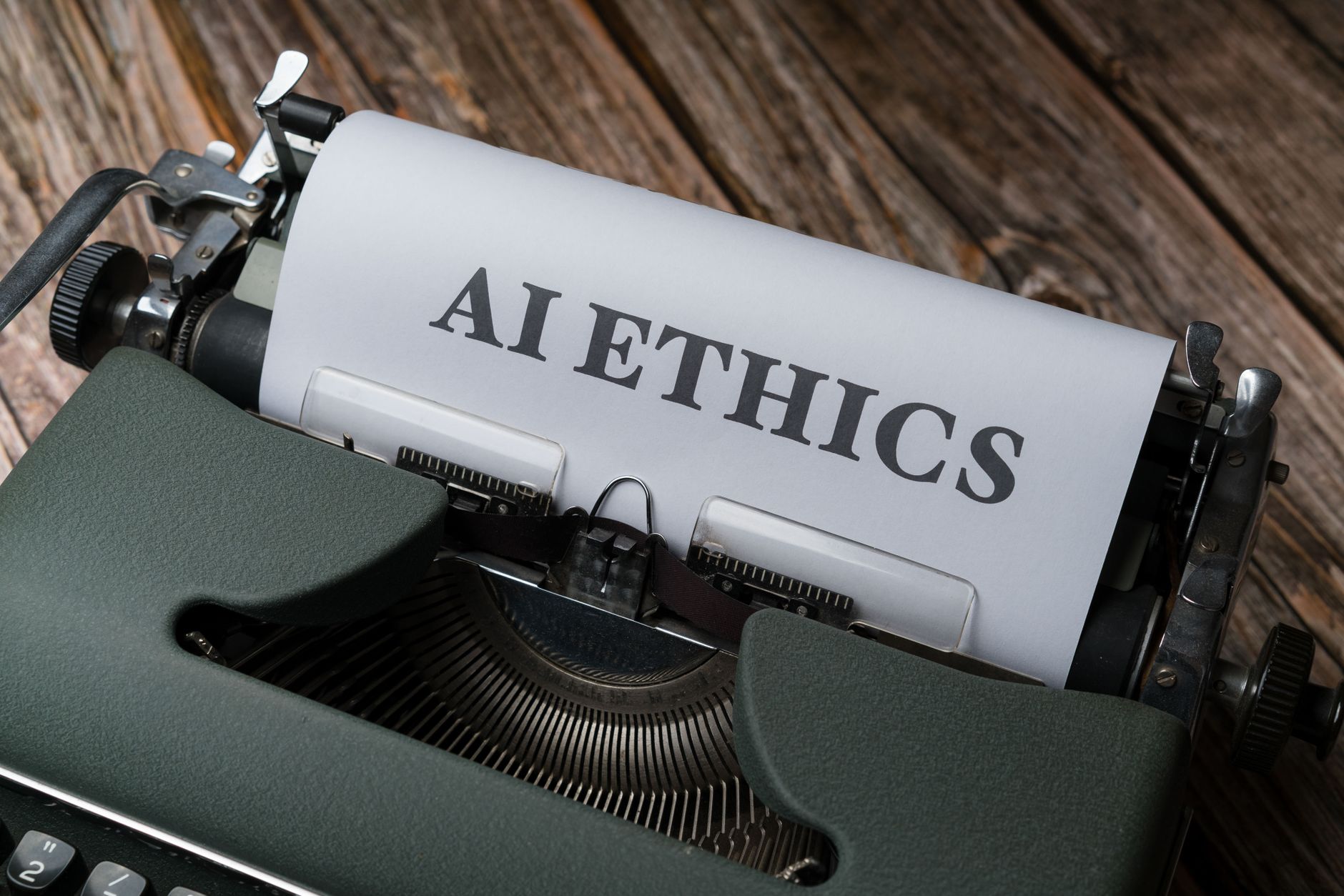
Ohio AI regulations are facing significant delays, as it seems unlikely they will pass before the year ends. This news has raised concerns among tech businesses in the state.
Current status of Ohio AI regulations
The current status of Ohio AI regulations presents a challenging landscape for tech businesses operating in the state. As 2023 draws to a close, it appears increasingly unlikely that any significant AI regulations will be enacted before the year ends. This delay has left many in the tech community concerned about the implications for innovation and growth.
Several key points have emerged regarding the ongoing discussions around AI regulations in Ohio:
- Legislative Uncertainty: Lawmakers have yet to reach consensus on how to effectively regulate artificial intelligence without stifling innovation.
- Industry Concerns: Tech companies are worried that the lack of clear guidelines may hinder their ability to develop and deploy new AI technologies.
- Future Prospects: While the current status seems stagnant, stakeholders are hopeful that discussions will resume in 2024, potentially leading to more comprehensive regulations.
As Ohio grapples with the complexities of AI regulation, businesses will need to navigate this uncertain environment carefully, balancing compliance with the drive for technological advancement.
Impact on local tech businesses
The recent developments surrounding Ohio AI regulations have raised significant concerns among local tech businesses. Many entrepreneurs and startups are expressing frustration over the uncertainty created by the stalled legislative process. As the year draws to a close, the likelihood of any new regulations being implemented seems increasingly slim.
Several key impacts on the local tech ecosystem have emerged:
- Investment Hesitation: Potential investors are wary of committing funds to companies operating in an environment lacking clear guidelines, leading to a slowdown in funding opportunities.
- Innovation Stifling: Without a regulatory framework, tech companies find it challenging to innovate, as they remain unsure about compliance and legal implications.
- Competitive Disadvantage: Ohio risks falling behind other states that are proactively establishing AI regulations, which could attract talent and investments away from the region.
As local tech firms navigate this climate of uncertainty, many are calling for a more proactive approach to developing Ohio AI regulations that would support growth while ensuring responsible AI usage.
Comparative analysis with other states
In the broader context of AI regulation across the United States, Ohio’s stance presents a stark contrast to several states that have taken significant steps to establish comprehensive frameworks. While Ohio AI regulations remain stagnant, other states are moving forward with proactive measures.
For instance, California has implemented stringent guidelines aimed at ensuring ethical AI use, focusing on transparency and accountability. Similarly, New York has introduced legislative proposals that prioritize consumer protection and bias mitigation. These proactive approaches highlight a growing recognition of AI’s potential risks and benefits, prompting states to take action.
Furthermore, Texas has initiated programs encouraging innovation while establishing safety standards, attempting to strike a balance between fostering technological advancement and safeguarding public interests. In contrast, Ohio’s lack of progress on AI regulations may hinder its competitiveness in the tech industry, as businesses seek environments that support growth and innovation.
As other states advance their AI frameworks, Ohio’s inaction could lead to an exodus of startups and established companies alike, seeking more favorable regulatory conditions elsewhere.
Public opinion on AI regulation
As Ohio grapples with the future of technology, public opinion on AI regulation is increasingly becoming a focal point. Many residents express concern over the rapid development of artificial intelligence and its potential implications for privacy and job security. A recent poll indicates that approximately 65% of Ohioans support some form of regulation to ensure that AI technologies are used ethically and transparently.
Conversely, a segment of the population fears that stringent Ohio AI regulations could stifle innovation and deter tech companies from establishing roots in the state. This group argues that excessive regulation may hinder Ohio’s ability to compete with states that have more lenient policies, potentially driving talent and investment elsewhere.
Among various demographic groups, younger voters are particularly vocal about the need for oversight while simultaneously advocating for a balanced approach that fosters technological advancement. As discussions continue, it remains to be seen how public sentiment will influence future legislative efforts regarding Ohio AI regulations.
In this climate of uncertainty, both supporters and opponents of regulation will need to engage in constructive dialogue to shape the future of AI in Ohio.
Potential future developments
As discussions surrounding Ohio AI regulations continue, industry experts speculate on potential future developments that may shape the landscape for technology companies in the state. With the legislative session drawing to a close, it appears unlikely that comprehensive regulations will be enacted before the year ends. However, stakeholders are actively engaging in dialogue, suggesting that a revised approach may surface in the upcoming session.
Among the anticipated changes, experts highlight the following possibilities:
- Increased stakeholder input: Lawmakers may seek greater collaboration with tech businesses to create more balanced regulations that encourage innovation while ensuring ethical standards.
- Focus on transparency: Future regulations might emphasize the importance of transparency in AI algorithms, requiring companies to disclose their data sources and decision-making processes.
- Adaptive frameworks: A shift towards more adaptive regulatory frameworks could allow for quicker adjustments as technology evolves, ensuring Ohio remains competitive.
Ultimately, the future of Ohio AI regulations will depend on continued advocacy from the tech community and the willingness of lawmakers to adapt to the rapid advancements in artificial intelligence.
Expert opinions on the delay
Experts in the field have shared mixed feelings about the delay in Ohio AI regulations. Many believe that the extended timeline could lead to significant setbacks for tech businesses that are eager to innovate and stay competitive.
- Dr. Emily Carter, a renowned AI researcher, stated, “This delay could hinder Ohio’s position as a leader in the tech industry. Other states are moving forward, and Ohio risks falling behind.”
- Mark Thompson, a local entrepreneur, expressed concern about the uncertainty the delay brings. “Without clear regulations, businesses are hesitant to invest in AI technologies,” he noted. “It creates a climate of fear rather than fostering innovation.”
- Government officials have argued that a thorough review process is necessary to ensure that the regulations are effective and comprehensive. “We want to get it right,” said one official. “Rushing could have unintended consequences.”
Despite these differing viewpoints, there is a consensus that the current situation of Ohio AI regulations requires urgent attention, as businesses and innovators await clarity to move forward.
Conclusion on Ohio’s regulatory landscape
As Ohio continues to navigate its regulatory landscape, the delay in passing AI regulations has raised significant concerns among local tech businesses. The lack of a clear framework not only hampers innovation but also leaves companies uncertain about compliance and operational strategies. This situation has been described as the worst news for tech businesses this year, as they struggle to adapt to rapidly evolving technologies without guidance.
Experts predict that without timely regulations, Ohio risks falling behind other states that are moving forward with more comprehensive AI policies. The comparative analysis shows that states with proactive measures are attracting investments and fostering a more vibrant tech ecosystem.
Public opinion remains divided, with some advocating for stringent regulations to ensure ethical use of AI, while others argue that excessive oversight could stifle growth. As we look to the future, it is essential for Ohio to address these challenges and establish a balanced regulatory environment that encourages innovation while protecting consumers. The ongoing discourse around Ohio AI regulations underscores the need for swift action to support the tech community and retain its competitive edge.
Photo by Markus Winkler on Pexels
Read the original
You might also like
Android security update: Is it the best fix for flaws? · AI fashion discovery app: Smart funding boost for Slayd · History of the Telephone: The Best Proven Innovations