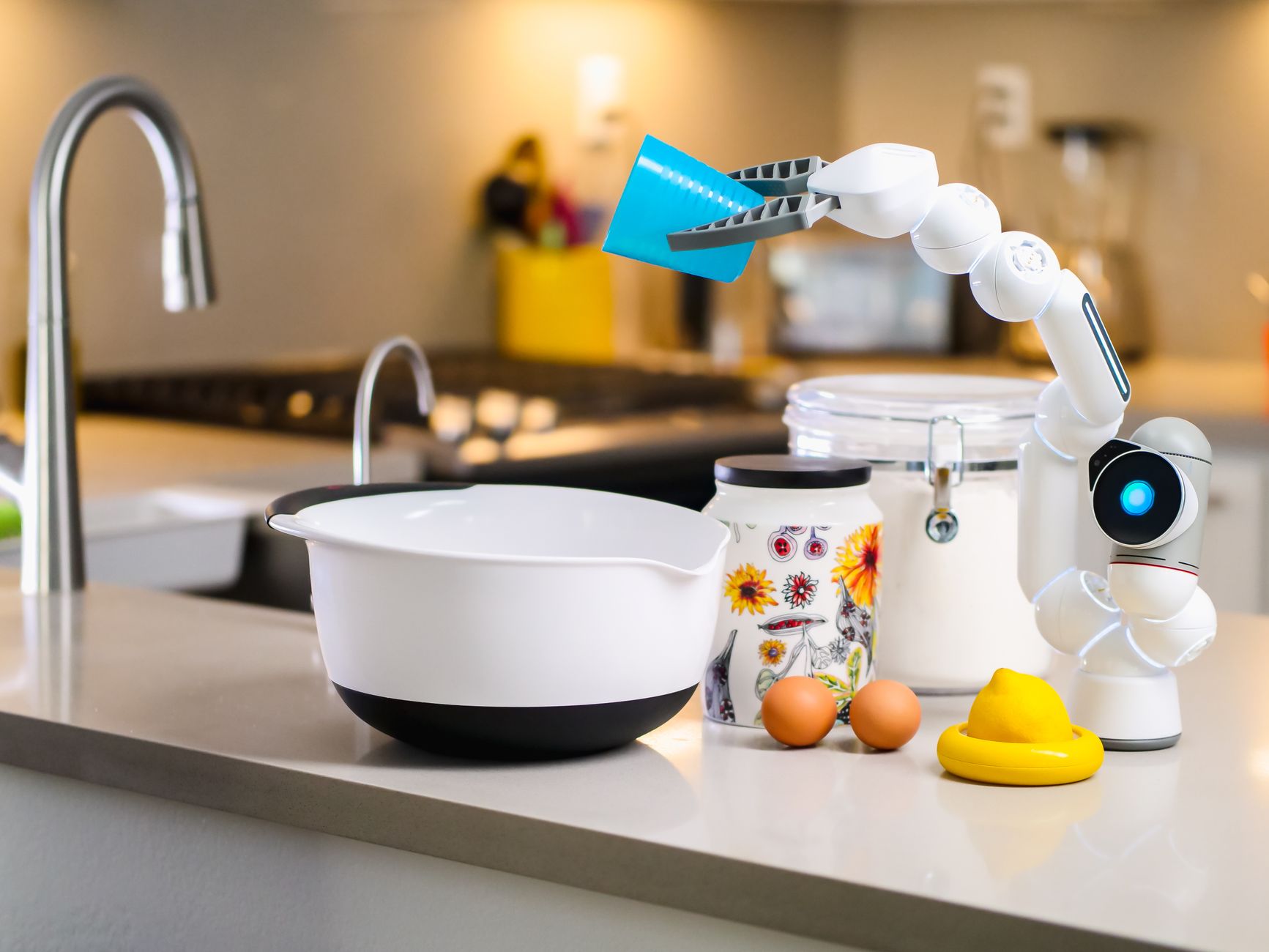
AI cooking assistant has transformed my weeknight cooking experience, making it easier to prepare delicious chicken dishes. However, it almost ruined my cake, highlighting its limitations.
How AI Cooking Assistants Work
AI cooking assistants leverage advanced algorithms and machine learning to enhance the culinary experience. By analyzing vast amounts of recipe data, these intelligent tools can provide tailored suggestions based on user preferences, dietary restrictions, and available ingredients.
When you engage with an AI cooking assistant, the process typically involves several key steps:
- Ingredient Input: Users start by inputting the ingredients they have on hand. The AI utilizes this information to generate recipe ideas that minimize food waste.
- Recipe Suggestions: The assistant then presents a variety of recipes, often considering factors such as cooking time, difficulty level, and nutritional content. This helps streamline decision-making for busy weeknights.
- Step-by-Step Guidance: Once a recipe is selected, the AI provides detailed, step-by-step instructions. This feature is particularly helpful for novice cooks or those unfamiliar with certain cooking techniques.
- Real-Time Adjustments: Some AI cooking assistants can adjust recipes on the fly, taking into account user feedback or unexpected changes, such as the need for a quicker method or alternative ingredients.
By utilizing an AI cooking assistant, users can simplify meal planning and preparation, making weeknight cooking less daunting and more enjoyable. The convenience and adaptability of these digital helpers are transforming the kitchen experience for many home cooks.
Benefits of Using AI in the Kitchen
The integration of artificial intelligence into the kitchen offers numerous advantages for home cooks looking to streamline their meal preparation. An AI cooking assistant can transform the way you approach your weeknight meals, making cooking more enjoyable and less stressful.
- Time Efficiency: With an AI cooking assistant, you can save valuable time. These tools can help you quickly find recipes based on the ingredients you have on hand, reducing the time spent searching for meal ideas.
- Personalization: AI technology allows for personalized meal suggestions based on dietary preferences and restrictions. Whether you’re vegan, gluten-free, or simply trying to eat healthier, an AI cooking assistant can tailor recipes to fit your needs.
- Skill Development: For those who are less experienced in the kitchen, an AI cooking assistant can provide step-by-step guidance. This can help improve cooking skills and build confidence in preparing new dishes.
- Waste Reduction: By suggesting recipes that utilize leftover ingredients, these assistants can significantly cut down on food waste, making your cooking practices more sustainable.
- Creativity Boost: Trying new recipes can be daunting, but an AI cooking assistant can introduce you to innovative combinations and cooking techniques, enhancing your culinary repertoire.
Incorporating an AI cooking assistant into your kitchen routine not only simplifies meal preparation but also enriches your cooking experience.
Weeknight Chicken Success
Weeknight dinners can often feel like a chore, but with the help of an AI cooking assistant, preparing a delicious chicken dish has never been easier. This innovative technology not only simplifies the cooking process but also ensures that meals are flavorful and satisfying.
When it comes to chicken, timing and temperature are crucial. The AI cooking assistant takes the guesswork out of these factors by providing precise cooking instructions tailored to your specific preferences. Here are a few tips that an AI assistant might offer for a successful weeknight chicken dinner:
- Choose the Right Cut: Depending on your cooking time, the assistant can recommend quick-cooking cuts like thighs or breasts.
- Marinade Suggestions: Get personalized marinade recipes to enhance flavor without adding hours to your prep time.
- Cooking Techniques: Whether you’re grilling, baking, or sautéing, the AI can suggest the best methods and times for optimal results.
- Side Dishes: The assistant can propose complementary sides that align with your main dish, creating a balanced meal.
By utilizing an AI cooking assistant, weeknight chicken dinners can transform from mundane to magnificent, saving you time and effort while still impressing your family and friends.
The Cake Baking Challenge
The excitement of baking a cake can quickly turn to frustration, especially when the recipe doesn’t turn out as expected. Last week, I decided to put my AI cooking assistant to the test and tackle a cake baking challenge. I was hopeful that my trusty virtual helper would guide me through the process smoothly, just as it had done with my weeknight chicken dinner.
As I began, I inputted my desired cake flavor and ingredients into the AI cooking assistant, eager for step-by-step guidance. The instructions were precise, and the AI suggested some creative twists to enhance the flavor. However, I quickly found myself overwhelmed by the rapid-fire directions.
Here are some key takeaways from my cake baking experience:
- Prepping Ingredients: Ensure all ingredients are at room temperature for optimal mixing.
- Timing is Everything: Follow the AI’s suggested baking times closely; a few minutes can make a big difference.
- Adjusting for Altitude: Consider tweaking baking times and temperatures based on your location.
Despite a few missteps, the AI cooking assistant ultimately helped salvage my cake. The end result was a delicious treat, though not without a few learning curves. It appears that while AI can enhance our cooking, some traditional baking skills are still necessary to achieve perfection.
User Experiences with AI Cooking
User experiences with AI cooking assistants have been varied, showcasing both the potential and pitfalls of this innovative technology. Many users have reported positive outcomes, particularly when it comes to simplifying meal preparation during busy weeknights. One user shared their success with a quick dinner using an AI cooking assistant that efficiently guided them through a recipe for a flavorful stir-fry. The assistant not only provided ingredient suggestions but also adjusted cooking times based on the user’s available kitchen resources.
However, not all experiences have been smooth. In contrast, another user faced a challenge while attempting to bake a cake with the help of an AI assistant. While the assistant offered detailed instructions, the user found that some of the adjustments made based on their pantry inventory led to unexpected results. The cake, which was supposed to be a delightful dessert, turned out dense and less flavorful than anticipated. This highlights the importance of understanding the limitations of AI in the kitchen.
Overall, feedback reveals that while AI cooking assistants can be a great boon for weeknight meals, users should remain vigilant and ready to adapt suggestions. Engaging with the AI can lead to delightful culinary experiences, but as with all cooking, a personal touch often makes a significant difference.
Photo by Kindel Media on Pexels
Sources
The Verge · AI coding assistant
Related reading
Recycle Wind Turbine Blades: Proven Easy Methods for Sustainability · Marvel Rivals Season 11: The Best Start Date Revealed · Is the Self-Charging Toothbrush the Best Smart Solution?