A minor 3rd is a crucial interval in music theory, adding depth and emotion to melodies. It is simply the distance of three half steps between two notes. When used effectively, the minor 3rd infuses a sense of tension and melancholy in musical compositions. Understanding the role of a minor 3rd can elevate your appreciation and interpretation of music. Let’s delve deeper into the significance and applications of what is a minor 3rd.

Exploring the Magic of Minor 3rd in Music
Welcome, music enthusiasts! Today, we are delving into the fascinating world of music theory to uncover the mysterious and delightful concept of the minor 3rd. Have you ever wondered what gives certain melodies their unique touch of emotion and depth? Well, the minor 3rd is a crucial element that adds flavor and character to music, and we’re here to unravel its secrets.
Understanding Musical Intervals
Before we dive into the specifics of the minor 3rd, let’s take a moment to understand the basics of musical intervals. In music, an interval is the difference in pitch between two notes. Imagine a ladder with each rung representing a different note – intervals determine the distance between these musical rungs. They play a vital role in creating melodies, harmonies, and the overall mood of a musical piece.
What Makes a Minor 3rd?
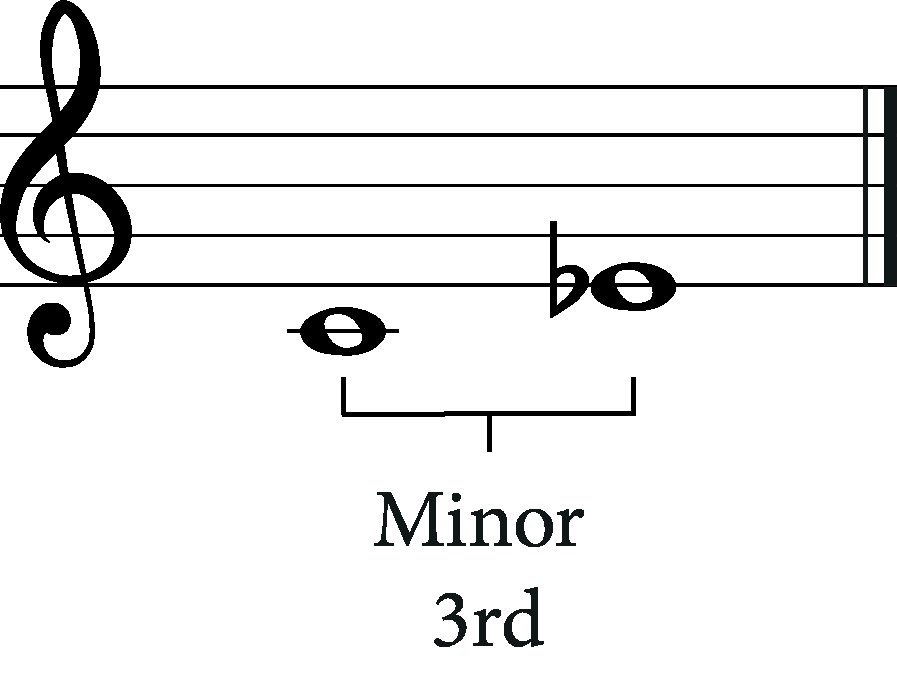
Now, let’s focus on the minor 3rd. To put it simply, a minor 3rd is an interval comprising two notes that are three half steps apart. In the world of music, half steps are the smallest intervals between two notes. For example, if we start on the note C, a minor 3rd above would be E♭. This interval creates a bittersweet and melancholic sound that can evoke various emotions in listeners.
The Sound of the Minor 3rd
Close your eyes and imagine a hauntingly beautiful melody – chances are, it incorporates the mesmerizing sound of the minor 3rd. This interval has a unique quality that adds richness and complexity to musical compositions. Whether it’s used in classical music, jazz, or pop songs, the minor 3rd has the power to tug at our heartstrings and create a sense of longing or introspection.
Applications of the Minor 3rd in Music
Now that we’ve grasped the essence of the minor 3rd, let’s explore how musicians use this interval to enhance their creations. From crafting captivating melodies to building intricate harmonies, the minor 3rd plays a versatile role in the world of music.
Melodic Beauty
One of the primary ways musicians utilize the minor 3rd is in melodic lines. By incorporating this interval into a melody, composers can infuse it with a touch of sophistication and emotion. Think of iconic tunes that linger in your mind – chances are, they feature the allure of the minor 3rd.
Harmonic Richness
In addition to its melodic applications, the minor 3rd also plays a crucial role in harmonies. When paired with other intervals, such as the major 3rd or perfect 5th, the minor 3rd can create lush and colorful chord progressions that elevate the overall musical experience.
Exploring Minor 3rd in Different Genres
Music is a diverse and vast landscape, with various genres utilizing the minor 3rd in distinct ways. Let’s take a closer look at how this interval manifests in different musical styles:
Classical Music
In the realm of classical music, the minor 3rd is often employed to convey complex emotions and nuances. Composers like Beethoven and Mozart masterfully incorporated this interval into their compositions, adding depth and drama to their works.
Jazz Music
When it comes to jazz, the minor 3rd is a staple ingredient in creating the genre’s signature sound. Jazz musicians use this interval to infuse their improvisations with soulful and expressive melodies that captivate audiences worldwide.
Pop Music
Pop music thrives on catchy hooks and memorable melodies, and the minor 3rd is no stranger to this genre. From ballads to upbeat anthems, pop songs often feature this interval to evoke a range of emotions and connect with listeners on a personal level.
Experimenting with the Minor 3rd
Aspiring musicians and music enthusiasts, don’t be afraid to explore the enchanting world of the minor 3rd in your musical endeavors. Whether you’re composing your own songs, learning an instrument, or simply appreciating the beauty of music, the minor 3rd invites you to unleash your creativity and imagination.
In conclusion, the minor 3rd is a magical interval that adds depth, emotion, and intrigue to the realm of music. By understanding its essence and exploring its applications, you can embark on a musical journey filled with creativity and wonder. So, next time you listen to your favorite song, pay attention to the captivating allure of the minor 3rd – it might just take your musical experience to new heights!
Basic Intervals: 3rds, Minor and Major — Music Theory 101
Frequently Asked Questions
What is the interval of a minor 3rd?
A minor 3rd is an interval in music theory that spans three half steps or semitones. It is a distance of three diatonic scale degrees between two notes where the second note is lower in pitch than the first note.
How can you identify a minor 3rd on a musical staff?
To identify a minor 3rd on a musical staff, you will need to count the lines and spaces between the two notes. For example, if the first note is on a line and the second note is three steps higher in pitch and lands on the next space, you have found a minor 3rd interval.
Can you provide an example of a minor 3rd interval in a familiar song?
An iconic example of a minor 3rd interval in a song is the first two notes of the melody “Greensleeves.” The interval between the notes “B” and “D” in the opening phrase is a minor 3rd, creating a haunting and recognizable sound.
Final Thoughts
In music theory, a minor 3rd is a term used to describe the distance between two notes that are three half steps apart. This interval produces a distinct sound that adds depth and emotion to musical compositions. Understanding what a minor 3rd is can enhance a musician’s ability to create harmonious melodies and rich chord progressions. Mastering the concept of a minor 3rd allows musicians to explore different tonalities and create unique musical expressions.