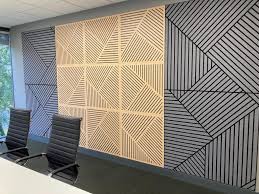
Interior design evolves unpredictably. Today’s homes combine unlikely elements that, surprisingly, work. Rough meets smooth. Dark meets light. Old meets new. These contrasts make the spaces feel cozy and lively. Rules of design have become less strict, enabling experimentation.
Texture Mixing That Breaks Old Rules
Smooth surfaces dominated homes for years. Everything had to feel sleek and polished. Now homeowners pile textures on top of each other like layers of clothing on a cold day. Nubby linen sofas sit on shag rugs. Rough-wood tables hold smooth ceramic vases. Velvet pillows rest against leather chairs. The trick involves balance without matching. Three different textures in one corner create interest. Five might cause chaos. Natural materials like jute, rattan, and linen are popular. These textures make modern spaces feel less cold. Even walls get the treatment now. Grass-cloth wallpaper adds dimension. Lime-wash paint creates subtle variation. The perfectly smooth drywall that builders love has become the boring option.
Color Stories That Shift and Surprise
Beige had its moment. Gray took over for a while. Now, color creeps back in unexpected ways. Deep greens that almost read black anchor living rooms. Terracotta brings warmth without going full orange. Dusty pinks show up in serious spaces, not just nurseries.
The all-white kitchen has competition now. Navy cabinets, sage islands, even black appliances shake things up. Quartz countertops in bold patterns tie these brave color choices together. This is according to the experts over at Bedrock Quartz. The biggest change is that rooms now have mixed colors. A moody bedroom might have one wall in midnight blue while the others stay cream. The fear of color that gripped homeowners for years has faded.
Natural Elements Taking Center Stage
Plants went from afterthought to main character. Not just one sad succulent on a shelf either. Full trees in living rooms. Walls of pothos trailing from ceiling hooks. Kitchen herbs growing in window gardens. Living things make sterile spaces feel alive. Stone and wood show up everywhere, but differently than before. Live-edge dining tables keep bark intact. Stone sinks maintain natural ridges and valleys. These materials look less processed, less perfect. The flaws become features. Metals also follow this trend. Brass without lacquer will age and show its patina. Blackened steel shows weld marks. The goal involves letting materials age and change rather than fighting to keep them pristine.
Mixing Periods Without Apology
The matchy-matchy furniture set died a quiet death. Today’s rooms are a blend of decades, just like a playlist. An antique coffee table sits in front of a mid-century modern sofa. Contemporary art hangs above a Victorian dresser. Industrial pipe shelving holds vintage books. This approach requires careful editing, though. Too many periods in one room creates a thrift store vibe. The sweet spot sits around three eras, with one dominating. Modern pieces keep vintage finds from feeling dusty. Old items prevent new rooms from feeling soulless. The combination tells a story about the people living there, not just the store where they shopped.
Conclusion
Today’s interiors reject simple categories. They don’t choose a single texture, color, or era. Homeowners can build spaces reflecting their lifestyle, not magazine ideals. Smooth perfection, once a sign of good taste, now seems artificial. Instead, rough textures, bold colors, living plants, and mixed periods create homes with character. These trends share something important; they age well. Textured walls look better with some wear. Natural materials develop character over time. Mixed periods never go out of style because they were never exactly in style. That’s the real shift happening. Interiors that embrace imperfection and change beat ones trying to stay frozen in pristine condition.