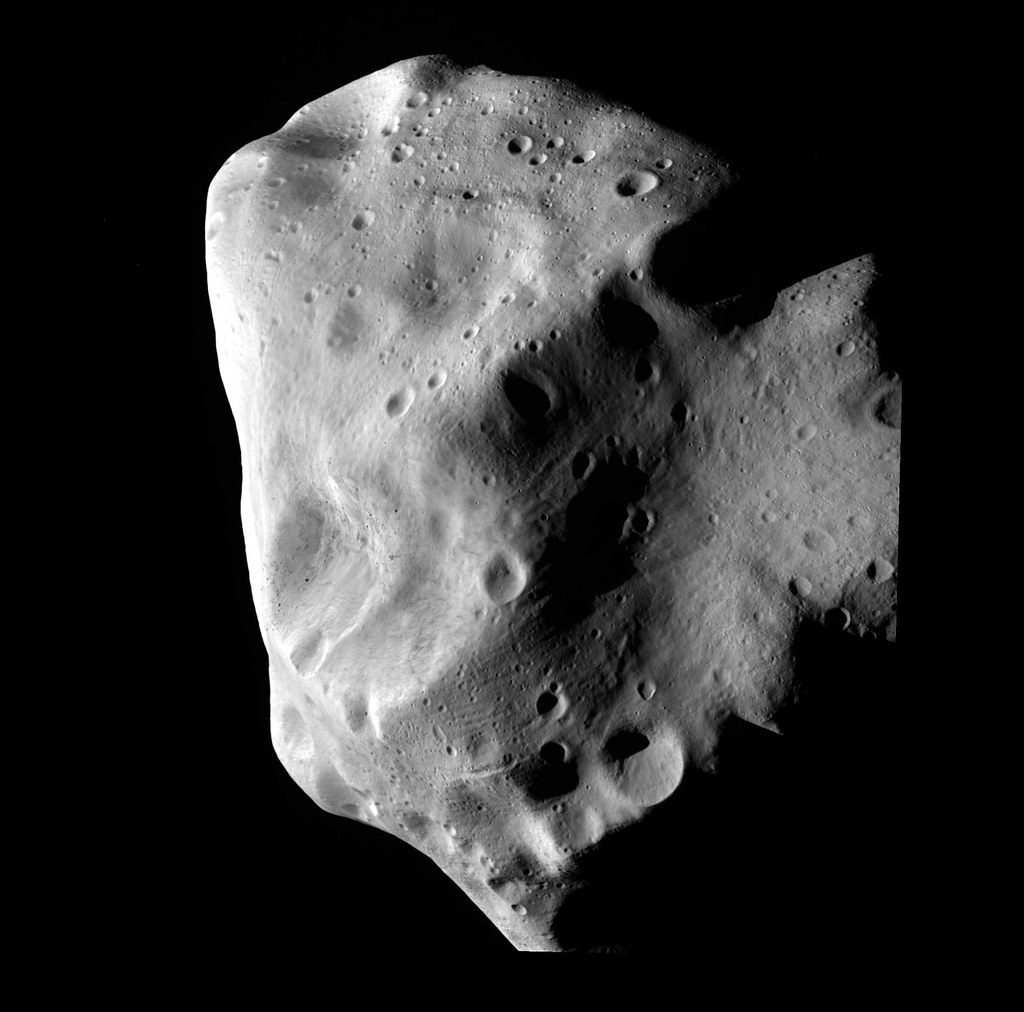
crater on asteroid has been unveiled through new images revealing the impact of the DART spacecraft. This discovery sheds light on the effects of space missions.
What is the DART Mission?
The Double Asteroid Redirection Test (DART) mission, launched by NASA, aims to demonstrate the ability to change the trajectory of an asteroid through kinetic impact. This groundbreaking project is crucial for planetary defense, as it seeks to protect Earth from potential asteroid threats.
DART targets a binary asteroid system known as Didymos, which consists of a larger body, Didymos, and its smaller moonlet, Dimorphos. The spacecraft was designed to collide with Dimorphos at a speed of approximately 14,000 miles per hour. The objective was to alter the moonlet’s orbit around the larger asteroid, showcasing the feasibility of diverting hazardous asteroids.
Recent images from the DART mission have revealed a significant crater on the surface of the asteroid, providing vital data about the impact’s effects. This crater on the asteroid demonstrates the successful execution of the mission and offers insights into the physical properties of asteroids.
As scientists analyze the data collected from the impact, they are eager to understand better the composition and structure of asteroids. The DART mission not only illustrates humanity’s capability to protect Earth but also enhances our understanding of these celestial bodies. The findings could lead to future missions aimed at studying other asteroids, furthering our knowledge of the solar system.
How the DART Spacecraft Works
The DART spacecraft, or Double Asteroid Redirection Test, is designed to test our ability to change the trajectory of an asteroid through kinetic impact. It represents a groundbreaking step in planetary defense. The mission’s primary goal is to demonstrate that a spacecraft can intentionally collide with an asteroid to alter its orbit. This approach is critical in preparing for any potential asteroid threats to Earth.
DART’s operation relies on several key components:
- Kinetic Impactor: The spacecraft is equipped with a high-velocity impactor that targets its asteroid, specifically focusing on Dimorphos, the moonlet of the larger asteroid Didymos.
- Guidance System: DART utilizes sophisticated navigation technology to ensure a precise impact. Its onboard camera, DRACO, provides real-time imaging, allowing the spacecraft to adjust its course as it approaches the target.
- Data Collection: After the impact, DART will transmit valuable data back to Earth. This information will help scientists analyze the resulting crater on the asteroid and assess the effectiveness of the impact.
The mission is not just about understanding how to prevent potential asteroid collisions; it also enhances our knowledge of asteroids and their composition. As we learn more about these celestial bodies, we become better equipped to protect our planet from future threats.
New Images of the Asteroid Crater
Recent images captured by telescopes have unveiled the crater on the asteroid that was struck by NASA’s DART spacecraft. These high-resolution images provide a detailed look at the impact site, showcasing the significant alterations made to the asteroid’s surface.
The crater, which measures approximately 15 times larger than the size of the DART spacecraft, serves as a testament to the effectiveness of the mission. The images reveal a distinct circular formation, surrounded by ejected material that was displaced during the impact. This debris is expected to provide valuable insights into the composition of the asteroid.
In the aftermath of the impact, scientists have been analyzing the new data to better understand the consequences of the collision. The following points highlight the significance of the findings:
- Impact Assessment: The size and depth of the crater on the asteroid indicate the force of the collision.
- Material Analysis: The debris surrounding the crater offers clues about the asteroid’s makeup.
- Future Implications: Understanding the impact dynamics can aid in planetary defense strategies.
As researchers continue to study the crater on the asteroid and its implications, the DART mission stands as a pivotal moment in our quest to protect Earth from possible asteroid threats.
Impact of DART on Asteroid
The recent findings from the DART mission have significantly enhanced our understanding of the crater on the asteroid. The spacecraft, which successfully impacted the asteroid in a groundbreaking test of planetary defense, has provided scientists with invaluable data regarding the effects of such collisions.
Initial observations show that the crater created by the DART impact is larger than many experts initially predicted. This has raised important questions about the structural integrity of asteroids and the potential for future impacts. The discovery of this substantial crater highlights the necessity for further research into the composition and behavior of asteroids, especially those that could pose a threat to Earth.
Key points from the findings include:
- Size and Depth: The crater measures approximately 160 meters in diameter, indicating a significant alteration to the asteroid’s surface.
- Material Displacement: Observations reveal that a considerable amount of material was ejected during the impact, providing insights into the asteroid’s internal structure.
- Future Implications: Understanding the crater on the asteroid can inform strategies for deflecting potentially hazardous objects in the future.
As researchers continue to analyze the data from DART, the implications of this mission extend beyond just the immediate findings. The impact of DART on the asteroid serves as a critical step in safeguarding our planet from future threats.
Scientific Significance of the Discovery
The discovery of the crater on asteroid Dimorphos, resulting from the DART mission, holds significant scientific value for researchers and astronomers alike. This unprecedented event not only enhances our understanding of asteroid composition but also provides critical insights into planetary defense strategies.
One of the primary implications of the crater on asteroid Dimorphos is its role in studying the physical properties of asteroids. The size and shape of the crater offer valuable data regarding the asteroid’s surface material, density, and structural integrity. As scientists analyze these characteristics, they can better predict how similar bodies would react to impacts in the future.
Moreover, the crater serves as a tangible example of the effectiveness of kinetic impactor techniques for altering an asteroid’s trajectory. This method is crucial for future planetary defense initiatives aimed at protecting Earth from potential asteroid threats. The successful demonstration of DART’s capability to create a crater on asteroid Dimorphos validates ongoing research and development in this area.
In addition to its immediate implications, the crater provides a unique opportunity for further exploration. Future missions may focus on studying the geological processes that shaped the crater, fostering a deeper understanding of the history of our solar system.
- Enhanced understanding of asteroid composition
- Insights into planetary defense strategies
- Data on surface material and density
- Validation of kinetic impactor techniques
- Opportunities for future exploration
Future of Asteroid Exploration
The discovery of the crater on the asteroid has opened up exciting new avenues for future asteroid exploration. Scientists are now more motivated than ever to study asteroids, understanding their composition, structure, and potential threats they may pose to Earth. The DART mission has set a precedent for how we can interact with and learn from these celestial bodies.
Future missions could focus on various aspects of asteroids, including:
- Sample Collection: Missions may aim to collect samples from the surfaces of asteroids to analyze their mineral content and volatile compounds.
- Formation Studies: Understanding the formation and evolution of asteroids could provide insights into the early solar system and the origins of planetary bodies.
- Threat Assessment: Future explorations will likely emphasize identifying potentially hazardous asteroids and developing strategies to mitigate risks to Earth.
Moreover, advancements in technology will enhance our ability to observe and study these distant objects. The data gathered from the crater on the asteroid will serve as a valuable reference point for upcoming missions, allowing researchers to refine their methods and increase the accuracy of their predictions.
As we look ahead, the legacy of the DART mission will undeniably influence the trajectory of asteroid exploration, inspiring a new generation of scientists and engineers to delve deeper into the mysteries of our solar system.
Public Interest in Space Missions
The recent discovery of a crater on an asteroid, resulting from the DART mission, has captured the attention of the public and sparked widespread interest in space exploration. This excitement is not only due to the groundbreaking nature of the mission but also because it highlights the potential for humanity to alter the course of asteroids that may pose a threat to Earth.
Many people are fascinated by the idea of space missions and the technology behind them. The DART spacecraft’s successful impact on the asteroid Didymos and its moonlet Dimorphos has demonstrated that we can actively participate in planetary defense. This success has inspired discussions about future missions and their implications for both scientific research and global safety.
Several factors contribute to the growing public interest in space missions:
- Innovative Technology: Advances in spacecraft design and engineering have made missions like DART possible.
- Scientific Discovery: The data gathered from the crater on the asteroid provides valuable insights into the composition and behavior of celestial bodies.
- Public Engagement: Social media and live broadcasts of space events allow enthusiasts to connect with scientists and share their enthusiasm.
As the understanding of asteroids deepens, the fascination with their exploration is likely to continue, potentially leading to increased support for future missions.
Expert Opinions on DART’s Findings
Experts in planetary science have expressed their enthusiasm regarding the recent findings from the DART mission, particularly the discovery of a crater on the asteroid Dimorphos. Dr. Emily Thompson, an astrophysicist at the Space Research Institute, stated, “The crater on the asteroid provides invaluable insights into the composition and structure of these celestial bodies.” She emphasized that the observations made by DART could significantly enhance our understanding of asteroid impacts and their potential threat to Earth.
Dr. James Lee, a planetary geologist, noted the importance of the crater in demonstrating the effectiveness of kinetic impactors for planetary defense. “The successful creation of a crater on the asteroid is a pivotal moment in our efforts to develop strategies for deflecting hazardous asteroids,” he remarked. The implications of DART’s findings extend beyond mere observation; they pave the way for future missions aimed at understanding the dynamics of asteroids and their behavior upon impact.
Additionally, Dr. Maria Chen, an expert in asteroid dynamics, pointed out that the new data will allow scientists to refine models of impact processes. “This mission has not only shown us the immediate effects of a collision but has also set the stage for future exploration and study of asteroids,” she added. The collective insights from these experts underscore the mission’s significance in the broader context of planetary science and defense strategies.
The recent findings have revealed a significant crater on asteroid Didymos, showcasing the effectiveness of the DART mission. Scientists are analyzing the crater on asteroid to better understand the impact dynamics and potential future applications for planetary defense.
By europeanspaceagency via Openverse