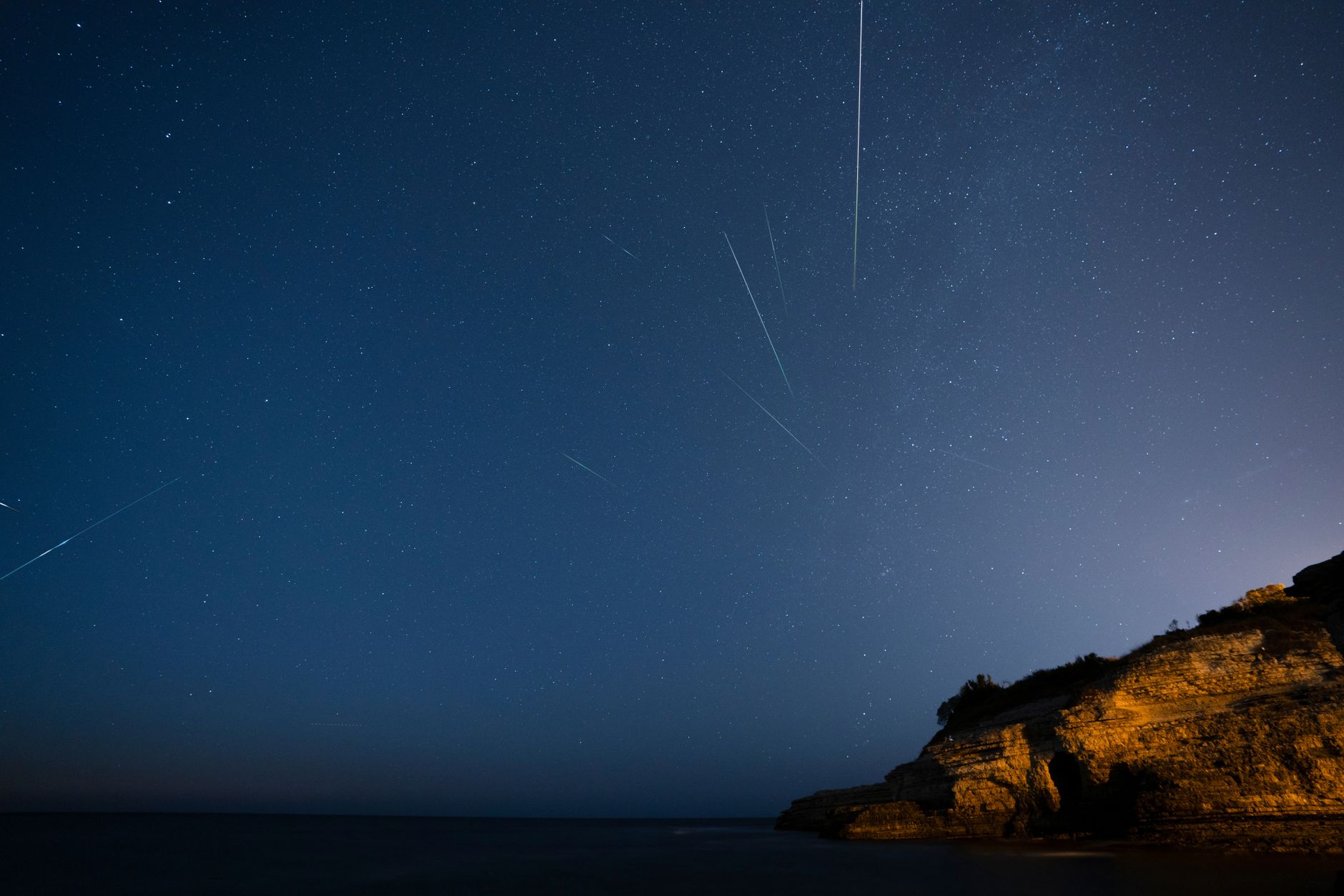
Leonid meteor shower is an exciting celestial event that captivates stargazers. As it peaks soon, many are eager to learn how to best observe this stunning display of meteors.
What is the Leonid Meteor Shower?
The Leonid meteor shower is an annual celestial event that captivates stargazers around the world. This meteor shower occurs when Earth passes through the debris left behind by the comet Tempel-Tuttle, which orbits the Sun approximately every 33 years. As the Earth travels through this trail of dust, tiny particles enter our atmosphere and burn up, creating stunning streaks of light in the night sky.
Typically, the Leonids are known for their bright meteors and can produce a significant number of meteors per hour during peak activity periods. These meteors are often characterized by their fast speed, traveling at about 71 kilometers per second, and their potential to produce fireballs that are brighter than the average meteor.
The Leonid meteor shower usually peaks in mid-November, with the best viewing conditions occurring after midnight. Observers can expect to see anywhere from 10 to 15 meteors per hour, though some years may yield spectacular outbursts with hundreds of meteors visible in a single hour.
To have the best experience while watching the Leonid meteor shower, find a dark location away from city lights, and allow your eyes to adjust to the darkness. Bring a blanket or chair for comfort, and enjoy the enchanting display of nature’s fireworks.
When to Watch the Leonid Meteor Shower
The Leonid meteor shower is one of the most anticipated astronomical events of the year, and knowing when to watch it can enhance your viewing experience. This shower typically peaks in mid-November, making it an ideal time for stargazers to witness an impressive display of shooting stars.
For optimal viewing, consider the following:
- Peak Nights: The Leonid meteor shower usually peaks around November 17 and 18. During these nights, you can expect to see the highest number of meteors.
- Best Viewing Hours: The best time to watch is generally after midnight until dawn, when the sky is darkest and the meteors are most active.
- Moonlight Consideration: Check the moon phase, as a bright moon can wash out fainter meteors. This year, plan your observations during the darkest hours of the night for the best chance to see the meteors.
In addition to timing, it’s essential to find a location away from city lights. A dark, open area will provide a clearer view of the night sky, allowing you to fully enjoy the spectacle that the Leonid meteor shower has to offer.
Best Locations for Meteor Viewing
When planning to witness the stunning Leonid meteor shower, choosing the right location is crucial for an optimal viewing experience. Here are some of the best locations to consider:
- National Parks: These areas are often far from city lights, providing dark skies that enhance visibility. Popular parks include Yellowstone, Yosemite, and the Grand Canyon.
- Rural Areas: If you live near rural regions, these can offer excellent vantage points. Look for open fields or hilltops where light pollution is minimal.
- Designated Dark Sky Parks: Some parks are specifically recognized for their dark skies, making them ideal for meteor watching. Check local listings for designated Dark Sky Parks in your state.
- Backyards: If traveling isn’t an option, your own backyard can still be a great spot. Set up a comfortable lounge chair and lie back to gaze at the sky.
- Beaches: Coastal areas provide wide-open horizons. Arrive early to secure a good spot, and enjoy the sound of waves as you wait for the Leonid meteor shower to light up the night.
Whichever location you choose, ensure you have a clear view of the sky and be prepared for a memorable night of shooting stars.
Tips for Observing the Night Sky
As the Leonid meteor shower approaches, enthusiasts and casual stargazers alike can enhance their viewing experience with a few helpful tips. Observing meteor showers can be a magical experience, and being prepared can make all the difference.
- Find a Dark Location: Light pollution can significantly hinder your view of the night sky. Aim to find a spot away from city lights, such as a national park or rural area, to increase your chances of seeing the meteors.
- Check the Weather: Clear skies are essential for optimal viewing. Before heading out, check the local weather forecast to ensure there are no clouds obstructing your view.
- Bring Comfortable Gear: Dress warmly and bring along blankets or reclining chairs. You may be outside for a while, and comfort is key to enjoying the show.
- Be Patient: Meteor showers can be unpredictable. It may take time to spot the meteors, so sit back, relax, and enjoy the beauty of the night sky.
- Timing is Key: The best time to observe the Leonid meteor shower is usually after midnight. Plan your viewing for the peak hours to maximize your chances of witnessing the most meteors.
By following these tips, you’re more likely to have a memorable experience during the Leonid meteor shower.
What to Expect During the Shower
The Leonid meteor shower is known for its stunning displays and can produce up to 15 meteors per hour at its peak. During this celestial event, observers can expect a variety of shooting stars streaking across the night sky, creating a magical experience for stargazers.
Here are some key things to expect during the shower:
- Frequency: While the peak may bring a higher number of meteors, activity can be seen several days before and after the peak date.
- Brightness: The meteors can vary in brightness, with some being exceptionally bright and leaving trails that linger for a few moments.
- Color: Leonids are typically white, but you may also observe occasional flashes of blue or yellow, adding to the visual spectacle.
- Sound: While the meteors themselves are silent, you might hear sounds related to the atmosphere if you’re in a quiet environment.
To enhance your experience, find a location with minimal light pollution, lie back comfortably, and allow your eyes to adjust to the darkness. The Leonid meteor shower is a breathtaking opportunity to witness nature’s wonders, so be sure not to miss this annual event!
Safety Tips for Stargazing
As the Leonid meteor shower approaches, stargazers should prioritize safety while enjoying this celestial spectacle. Here are some essential tips to ensure a safe and pleasant viewing experience:
- Choose a Safe Viewing Location: Select a spot away from traffic and other hazards. Parks or open fields are great options, as they provide ample space and a clear view of the sky.
- Be Aware of Your Surroundings: When stargazing at night, it can be easy to lose track of your surroundings. Make sure to keep an eye out for other people, animals, and obstacles.
- Dress Appropriately: Weather conditions can change quickly at night, so wear layers to stay warm. A blanket or sleeping bag can also enhance comfort while lying down to watch the meteor shower.
- Bring Necessary Gear: A flashlight with a red filter, snacks, and water can enhance your experience. Additionally, consider bringing a reclining chair for better comfort during prolonged viewing.
- Limit Light Pollution: Avoid using bright screens or lights that can hinder your night vision. Instead, allow your eyes to adjust to the darkness for optimal viewing of the Leonid meteor shower.
By following these safety tips, you can fully enjoy the breathtaking sight of the Leonid meteor shower while ensuring a secure environment for yourself and others.
Photo by FURKAN GÜNEŞ on Pexels