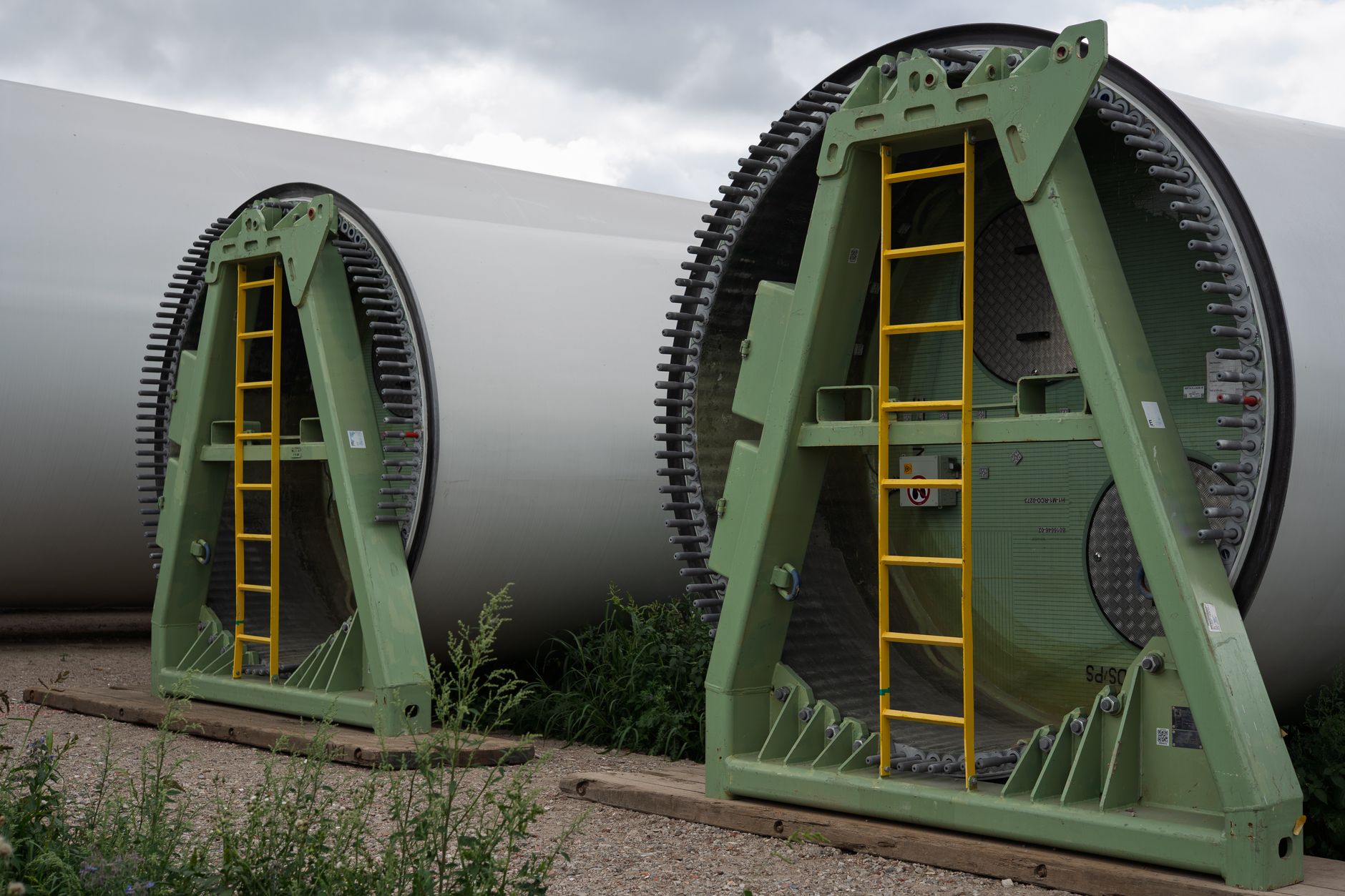
recycle wind turbine blades has become a pressing challenge in renewable energy. Recent findings by scientists reveal innovative methods to improve the recycling process, making it more efficient and environmentally friendly.
Understanding Wind Turbine Blade Waste
As the demand for renewable energy continues to rise, wind turbines have become a prominent source of clean power. However, the blades of these turbines pose a significant environmental challenge when they reach the end of their lifecycle. Traditional methods of disposal often involve landfilling, which can lead to long-lasting waste that is difficult to break down.
Wind turbine blades, typically made from reinforced composites, are not easily recyclable. This has sparked a growing concern among researchers and environmentalists about how to effectively manage this waste. Scientists have been exploring innovative techniques to recycle wind turbine blades, aiming to reduce their environmental impact.
Recent studies have revealed several promising methods for recycling wind turbine blades, including:
- Mechanical recycling – breaking down blades into smaller pieces for use in other products.
- Chemical recycling – using solvents to decompose the materials and extract reusable components.
- Energy recovery – incinerating blades to generate energy while capturing emissions.
These proven methods not only help to recycle wind turbine blades but also contribute significantly to sustainability efforts in the renewable energy sector.
Innovative Recycling Techniques
As the demand for renewable energy increases, the challenge of managing wind turbine blade waste becomes more pressing. Innovative recycling techniques are emerging, offering effective solutions to recycle wind turbine blades, which have traditionally posed significant disposal challenges.
Recent advancements in recycling technology focus on breaking down the composite materials used in turbine blades. These materials, primarily made of fiberglass and resin, are durable but difficult to repurpose. However, scientists have developed methods to effectively separate and process these components.
- Chemical Recycling: This method involves using solvents to dissolve the resin, allowing for the recovery of fiberglass and other materials for reuse.
- Mechanical Recycling: This technique grinds the blades into smaller pieces, which can then be incorporated into new construction materials or other products.
- Upcycling: Some innovative projects transform old blades into functional items, such as furniture or art installations, promoting sustainability through creative reuse.
These innovative recycling techniques not only reduce waste but also contribute to a circular economy, where materials are continuously repurposed, thus minimizing the environmental impact associated with wind energy production.
Benefits of Recycling Wind Turbine Blades
Recycling wind turbine blades presents numerous benefits that contribute significantly to sustainability efforts in the renewable energy sector. As the demand for wind energy continues to rise, the need for effective waste management solutions becomes increasingly critical. Here are some key advantages of recycling wind turbine blades:
- Environmental Impact: By recycling wind turbine blades, we can significantly reduce landfill waste, minimizing the environmental footprint associated with traditional disposal methods.
- Resource Recovery: Recycling processes can recover valuable materials such as fiberglass and resin, which can be repurposed for various applications, reducing the need for virgin materials.
- Economic Benefits: The recycling industry offers new job opportunities and can stimulate local economies by creating a market for recycled materials.
- Innovation and Research: The growing focus on recycling wind turbine blades encourages innovation in materials science, leading to the development of more sustainable turbine designs in the future.
In conclusion, the benefits of recycling wind turbine blades extend beyond waste reduction; they foster a circular economy, support environmental sustainability, and promote technological advancements in the renewable energy landscape.
Challenges in Current Recycling Methods
The recycling of wind turbine blades presents several challenges that hinder efficient processing and sustainability efforts. Despite innovative recycling techniques emerging, the current methods face significant obstacles.
- Material Composition: Wind turbine blades are primarily made from composite materials, such as fiberglass and epoxy resins. These materials are difficult to separate and recycle, complicating the process of recovering valuable resources.
- Limited Infrastructure: The lack of specialized facilities for recycling wind turbine blades means that many end up in landfills. Current recycling methods require significant investment in infrastructure, which is often not prioritized.
- Economic Viability: The cost of recycling wind turbine blades can be higher than the cost of producing new materials. This economic challenge discourages companies from investing in sustainable solutions.
- Regulatory Hurdles: There is often a lack of supportive policies and regulations that encourage the recycling of wind turbine blades, making it harder for companies to pursue environmentally friendly practices.
To overcome these challenges, the industry must focus on developing better recycling technologies and increasing collaboration between stakeholders. Only then can we effectively recycle wind turbine blades and promote sustainability.
Future of Wind Energy Recycling
The future of wind energy recycling appears promising as researchers and industry leaders continue to innovate and improve methods to recycle wind turbine blades. With the increasing demand for sustainable energy solutions, the focus is shifting towards developing effective strategies for managing the environmental impact of turbine blade waste.
Several advancements are being made in the field, including:
- Material Innovation: New materials are being explored that are easier to recycle, reducing the overall waste produced by traditional blades.
- Enhanced Recycling Technologies: Innovative processes are being developed to break down the complex composite materials used in blades, making recycling wind turbine blades more feasible.
- Collaboration with Industries: Partnerships between energy companies and recycling facilities are being strengthened to streamline the recycling process and improve efficiency.
As these initiatives gain traction, the wind energy sector is poised to not only reduce its environmental footprint but also to set a benchmark for other industries facing similar waste challenges. Emphasizing sustainability through effective recycling methods will be crucial in ensuring the long-term viability of wind energy as a key player in the global energy landscape.
Impact on Renewable Energy Sector
The renewable energy sector is facing a significant challenge as the use of wind energy grows. With the increasing number of wind turbines, the issue of how to recycle wind turbine blades has become paramount. These blades, typically made from composite materials, are durable and resistant to degradation, which makes their disposal a pressing concern.
As wind energy contributes substantially to reducing greenhouse gas emissions, finding effective recycling methods is crucial for ensuring the sustainability of this renewable resource. The impact of recycling wind turbine blades extends beyond waste management; it also influences the overall lifecycle of wind energy systems. By integrating recycling processes, companies can reduce material costs and minimize the environmental footprint associated with manufacturing new components.
Moreover, advancements in recycling technology can lead to the development of new markets for recycled materials, fostering innovation in the sector. As more companies adopt sustainable practices, the positive ripple effects can enhance the reputation of the wind energy industry, attracting further investment and support.
In conclusion, addressing the challenge of how to recycle wind turbine blades is vital for the ongoing growth and sustainability of the renewable energy sector.
Innovative companies are now exploring various techniques to recycle wind turbine blades, making it easier than ever to implement sustainable practices. By adopting proven easy methods to recycle wind turbine blades, the industry can significantly reduce waste and environmental impact.
Photo by Martijn Stoof on Pexels