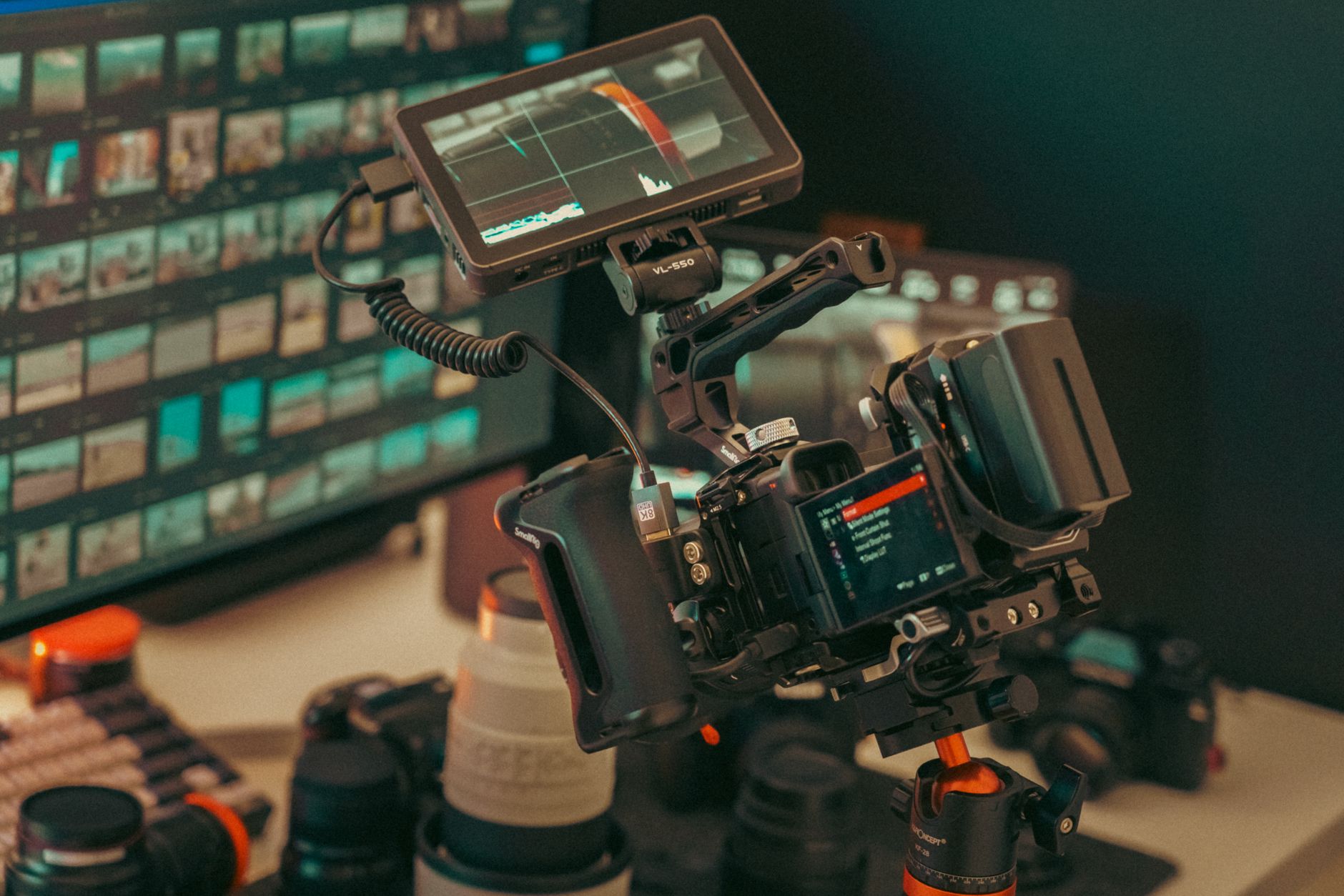
Cine RT integration is revolutionizing the functionality of ARRI’s ALEXA cameras. With the latest update, filmmakers can expect improved focus tracking and precision.
What is Cine RT integration?
Cine RT integration is a groundbreaking feature introduced by ARRI, enhancing the capabilities of its ALEXA cameras. This technology allows for seamless communication between the camera and various accessories, improving the overall filming experience. With the latest update, ARRI has implemented full Focusbug Cine RT integration for its 35mm and 65mm ALEXA cameras, solidifying its position at the forefront of cinematic technology.
The primary objective of Cine RT integration is to facilitate precise focus control, enabling cinematographers to achieve the perfect shot with minimal effort. This system utilizes advanced tracking and communication protocols, ensuring that focus adjustments can be made in real-time, even during complex shooting scenarios.
The benefits of this integration include:
- Enhanced Precision: Focus adjustments are more accurate, reducing the chances of missed focus.
- Improved Workflow: The integration streamlines the process, allowing camera operators and focus pullers to work more efficiently.
- Increased Flexibility: The system accommodates various lenses and setups, making it versatile for different filming environments.
Overall, the Cine RT integration represents a significant advancement in camera technology, promising to elevate the quality of productions across the board.
How does ARRI’s update improve performance?
ARRI’s latest update enhances the performance of its 35mm and 65mm ALEXA cameras significantly through the integration of Cine RT technology. This integration enables seamless communication between the camera and focus devices, resulting in more precise and reliable focus tracking.
One of the key improvements is the real-time data exchange, which allows cinematographers to receive instant feedback on focus adjustments. This is especially crucial during fast-paced shooting scenarios where every moment counts. The Cine RT integration not only increases accuracy but also reduces the time spent on manual adjustments.
Another significant enhancement is the improved user interface, which is now more intuitive. Cinematographers can easily access focus data and adjust settings without navigating through complex menus. This ease of use translates to a smoother workflow, allowing the creative team to concentrate on capturing stunning visuals rather than troubleshooting equipment.
Additionally, the update supports a wider range of lenses and focus devices, making it versatile for different shooting situations. The combination of these features positions ARRI’s update as a robust solution for professional filmmakers seeking to elevate their storytelling through enhanced focus capabilities.
Benefits of the latest ALEXA cameras
The latest update to ARRI’s ALEXA cameras introduces significant advantages, particularly with the full integration of Cine RT technology. This enhancement provides filmmakers with a more streamlined workflow, enabling precise focus tracking during complex shots.
One of the most notable benefits is the improved accuracy of focus pulling. With Cine RT integration, operators can achieve optimal focus in real-time, allowing for greater creative freedom and reducing the risk of missed shots. This is especially crucial in dynamic environments where adjustments are needed on the fly.
Additionally, the update enhances collaboration between camera operators and focus pullers. By utilizing the integrated system, both parties can communicate more effectively, ensuring that the vision of the director is realized without compromise.
Furthermore, the update supports a range of accessories that enhance the functionality of the ALEXA cameras. This flexibility allows cinematographers to customize their setups according to the specific requirements of each project.
- Improved accuracy in focus pulling
- Enhanced communication between crew members
- Support for various accessories
Overall, the benefits of the latest ALEXA cameras with Cine RT integration position them as a top choice for professionals seeking reliability and innovation in their filmmaking endeavors.
User feedback on the update
User feedback on the recent Cine RT integration update has been overwhelmingly positive, with many professionals praising its seamless functionality and enhanced user experience. Cinematographers who have tested the integration report that it significantly improves workflow during shoots, especially in complex scenes where precise focus is crucial.
Many users have highlighted the following aspects of the update:
- Precision: The alignment between the Cine RT system and the ALEXA cameras is noted for its accuracy, allowing for smoother focus pulls.
- Ease of Use: Users appreciate the intuitive interface that reduces the learning curve and enhances productivity on set.
- Real-Time Feedback: The ability to receive immediate focus data has been described as a game changer, enabling cinematographers to make quick adjustments as needed.
Moreover, several users mentioned that the Cine RT integration has become an essential tool for their projects, helping to elevate the quality of their work. As one cinematographer put it, “This update has truly transformed how we approach shooting, making focus management more efficient than ever before.”
With such positive reactions, it seems that ARRI’s latest update to the Cine RT integration is truly resonating with the filmmaking community.
Comparing ARRI ALEXA with other cameras
When evaluating the ARRI ALEXA against other popular cinema cameras, the introduction of Cine RT integration sets a new benchmark in the industry. While many brands offer impressive features, the ALEXA’s seamless integration with focus control technology stands out. Here’s how it compares:
- Canon EOS C300 Mark III: Known for its excellent low-light performance, the C300 Mark III lacks the advanced focus integration seen in the ALEXA cameras. The manual focus controls can be cumbersome, especially in dynamic shooting situations.
- RED Komodo 6K: The Komodo is praised for its compact size and high-resolution capabilities. However, it does not provide the same level of connectivity with focus systems as the ALEXA, making Cine RT integration a significant advantage for ARRI.
- Blackmagic URSA Mini Pro 12K: While offering impressive resolution and color depth, the URSA Mini Pro does not match the ALEXA’s ease of use in collaborative environments, where Cine RT integration enhances real-time focus adjustments.
- Sony FX6: The FX6 features great autofocus technology but lacks the depth of integration that Cine RT offers, which could be a game-changer for cinematographers demanding precise focus during complex shots.
The ALEXA’s latest update brings unparalleled ease-of-use and precision, placing it at the forefront of modern filmmaking technology.
Future of focus tracking technology
The future of focus tracking technology appears promising, especially with advancements like the Cine RT integration being implemented in ARRI’s ALEXA cameras. This innovative update not only enhances the existing capabilities of focus tracking but also sets a new standard for the industry. As filmmakers increasingly prioritize precision and efficiency, the demand for seamless integration between camera systems and focus tracking tools continues to grow.
One of the key trends is the development of more sophisticated algorithms that can analyze scenes in real-time, enabling quicker adjustments to focus. This allows cinematographers to capture dynamic shots with less manual intervention, effectively freeing them to concentrate on artistic expression.
Moreover, the integration of ARRI’s Cine RT technology reflects a shift towards collaborative workflows, where camera operators, focus pullers, and directors can work in harmony. With such tools, the risk of missed focus shots diminishes significantly, leading to a smoother shooting experience.
As the industry evolves, we can expect further enhancements in focus tracking technology. Innovations will likely include greater compatibility with various lenses and improved user interfaces, ensuring that filmmakers have the tools they need to bring their visions to life.
Photo by Jakub Zerdzicki on Pexels