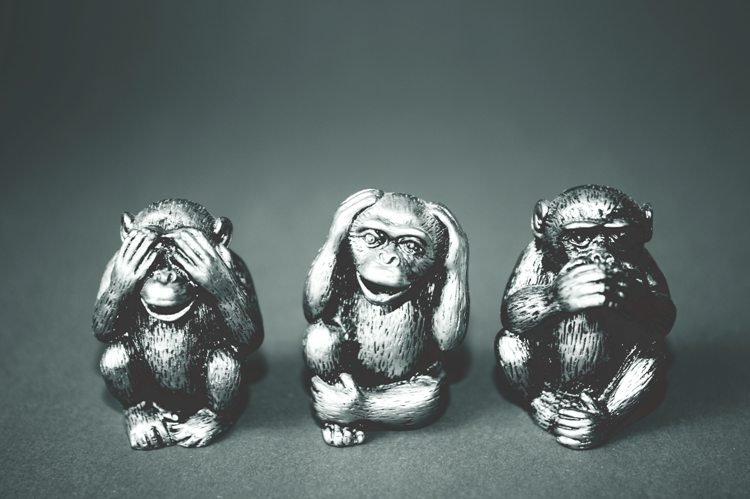
“See no evil, hear no evil, speak no evil” is a wise proverb urging us to avoid engaging in or overlooking negative actions. This principle originated from the ancient Japanese belief of “Mizaru, Kikazaru, Iwazaru,” symbolizing the importance of moral integrity and restraint. By refusing to witness, listen to, or perpetuate evil, we strive for a peaceful and virtuous existence. Let’s delve deeper into what does see no evil hear no evil speak no evil mean and unravel its profound significance in our lives.

What Does “See No Evil, Hear No Evil, Speak No Evil” Mean?
Welcome, young readers! Today, we are going to explore a famous saying that you might have heard before – “See no evil, hear no evil, speak no evil.” This saying is more than just a collection of words; it carries a powerful message about how we should conduct ourselves in our daily lives. Let’s dive in and uncover the meaning behind these words!
The Origin of “See No Evil, Hear No Evil, Speak No Evil”
Before we delve into the meaning of this saying, let’s first understand where it comes from. The phrase “See no evil, hear no evil, speak no evil” is often associated with the Three Wise Monkeys. These three wise monkeys are a popular symbol in Japanese culture that embody the principle of not engaging in evil actions. Each monkey represents a different concept: Mizaru covering his eyes, Kikazaru covering his ears, and Iwazaru covering his mouth.
Interpreting the Saying
So, what does it mean when we say “See no evil, hear no evil, speak no evil”? Let’s break it down:
See No Evil
Seeing no evil means turning a blind eye to things that are wrong or harmful. It encourages us to avoid looking at or seeking out negative or harmful things. Instead, we should focus on the good and positive aspects of life.
Hear No Evil
Hearing no evil involves not listening to gossip, negative talk, or harmful conversations. It reminds us to be selective about the information we allow into our minds and to avoid spreading rumors or speaking ill of others.
Speak No Evil
Speaking no evil reminds us to be mindful of the words we use. It encourages us to speak kindly, truthfully, and respectfully. By refraining from spreading negativity or falsehoods, we can create a more positive and harmonious environment.
Practicing “See No Evil, Hear No Evil, Speak No Evil” in Daily Life
Now that we understand the meaning behind this saying, how can we apply it in our everyday lives? Here are some simple ways to practice “See no evil, hear no evil, speak no evil”:
Be Mindful of What You Expose Yourself To
Just like Mizaru, the monkey covering his eyes, we should be mindful of what we expose ourselves to. Avoid watching or engaging with content that promotes negativity, violence, or harmful behavior.
Choose Your Words Wisely
Similar to Iwazaru, the monkey covering his mouth, think before you speak. Choose your words carefully, and avoid spreading gossip, rumors, or hurtful comments. Use your voice to spread kindness and positivity instead.
Listen With Empathy
Like Kikazaru, the monkey covering his ears, practice active listening and empathy. Be present in conversations and avoid tuning in to negative or harmful talk. Show understanding and compassion towards others.
The Importance of “See No Evil, Hear No Evil, Speak No Evil”
This saying teaches us valuable lessons about the power of our thoughts, words, and actions. By practicing “See no evil, hear no evil, speak no evil,” we can create a more peaceful and harmonious world around us. Remember, small actions can have a big impact!
So, young readers, the next time you come across the saying “See no evil, hear no evil, speak no evil,” remember the wisdom behind these words. Embrace positivity, kindness, and mindfulness in your interactions with others. By following the example of the Three Wise Monkeys, you can contribute to a happier and more loving world. Keep spreading goodness wherever you go!
We hope you enjoyed this exploration of the meaning behind “See no evil, hear no evil, speak no evil.” Stay curious and continue to learn and grow every day!
Thank you for joining us on this enlightening journey!
The Three Wise Monkeys (Hear no evil, See no evil, Speak no evil)
Frequently Asked Questions
What is the meaning of “see no evil, hear no evil, speak no evil”?
The phrase “see no evil, hear no evil, speak no evil” is commonly associated with the Three Wise Monkeys. It represents a principle of not engaging in or spreading negativity. This concept encourages individuals to avoid participating in, witnessing, or spreading harmful actions or words.
How does the principle of “see no evil, hear no evil, speak no evil” promote positivity?
By embodying this principle, individuals focus on maintaining a positive outlook and environment. They refrain from involving themselves in negative behaviors, conversations, or situations. This approach fosters a mindset of mindfulness and encourages ethical behavior.
Can the philosophy of “see no evil, hear no evil, speak no evil” be applied in everyday life?
Yes, this philosophy can be applied in various aspects of daily life. By choosing not to see, hear, or speak evil, individuals can cultivate a sense of peace, respect, and harmony in their interactions with others. It promotes empathy, understanding, and ethical decision-making.
Final Thoughts
“What does see no evil, hear no evil, speak no evil” mean? This famous saying signifies the importance of avoiding negative influences. It encourages individuals to stay away from immorality and wrongdoing. Ultimately, it emphasizes the significance of maintaining a positive mindset and upholding virtuous behavior. So, next time you hear the phrase “see no evil, hear no evil, speak no evil,” remember its powerful message about choosing to focus on what is good and right in the world.