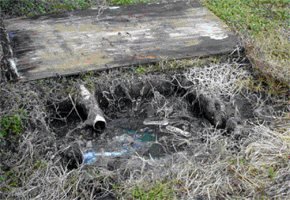
An illegal septic system is a potential ticking time bomb lurking beneath many properties. These underground sewage systems are often improperly designed or installed without the necessary permits. Not only can they harm the environment, but they also pose serious health risks to residents and neighboring areas. In this blog, we will delve into what exactly constitutes an illegal septic system and why identifying and addressing them is crucial for the well-being of both people and the planet.

Understanding Illegal Septic Systems
Welcome to our comprehensive guide on illegal septic systems. In this article, we will delve into what exactly constitutes an illegal septic system, why it is important to address, the potential consequences of having one, and how to rectify the situation if you find yourself dealing with such a system. Let’s get started!
What is a Septic System?
Before we can fully grasp what an illegal septic system is, let’s first understand what a septic system is in general. A septic system is an underground wastewater treatment structure commonly used in rural areas that do not have access to a centralized sewer system. It consists of a septic tank and a drain field, working together to treat and dispose of household wastewater.
What Makes a Septic System Illegal?
Now, let’s tackle the crucial question: what exactly makes a septic system illegal? An illegal septic system is one that has been installed or is being used in violation of local regulations, building codes, or environmental laws. This can happen for various reasons, such as improper installation, lack of necessary permits, or failure to meet safety and health standards.
Common Issues Leading to Illegal Septic Systems
There are several reasons why a septic system may end up being illegal. One common issue is when homeowners try to cut corners or save money by installing their septic systems without professional guidance. This can lead to improper sizing, inadequate treatment of wastewater, and potential environmental hazards.
Additionally, failing to obtain the required permits and inspections before installing a septic system can also render it illegal. Permits ensure that the system meets all necessary requirements and is safe for both the residents and the environment.
Why Addressing Illegal Septic Systems is Important
Addressing illegal septic systems is crucial for several reasons. Firstly, these systems pose a serious threat to public health and the environment. Improperly treated wastewater can contaminate groundwater, surface water, and soil, leading to the spread of diseases and pollution.
Secondly, illegal septic systems can diminish property values and create legal liabilities for homeowners. Selling a property with an illegal septic system can be challenging, and potential buyers may be wary of the associated risks and costs of rectifying the situation.
The Consequences of Having an Illegal Septic System
Homeowners with illegal septic systems may face various consequences, ranging from fines and penalties to forced system removal or repair. In severe cases, authorities may even order the evacuation of the property until the issue is resolved to ensure public health and safety.
Rectifying an Illegal Septic System
If you discover that your septic system is illegal, it is essential to take prompt action to rectify the situation. The first step is to contact your local health department or environmental agency to seek guidance on the necessary steps to bring your system into compliance.
Depending on the severity of the violations, you may need to hire a professional septic system installer to assess the system, make any necessary repairs or upgrades, and obtain the required permits and inspections to legalize the system.
Preventing Illegal Septic Systems
One of the best ways to avoid ending up with an illegal septic system is to work with experienced professionals from the outset. Hire a licensed septic system installer who can ensure that the system meets all regulatory requirements, obtain the necessary permits, and conduct regular inspections and maintenance to keep the system in proper working condition.
Furthermore, educate yourself about the local regulations and requirements regarding septic system installation and maintenance to avoid any unintentional violations that could lead to your system being deemed illegal.
In conclusion, illegal septic systems pose significant risks to public health, the environment, and property owners. It is essential to understand what constitutes an illegal septic system, why it is important to address, and the potential consequences of having one. By taking proactive measures to prevent illegal installations and promptly rectifying any violations, we can ensure the proper functioning of septic systems and safeguard our communities and ecosystems.
Thank you for reading our guide on illegal septic systems. Remember, when it comes to septic systems, compliance is key!
septic tank legal requirements
Frequently Asked Questions
What are the consequences of having an illegal septic system?
Having an illegal septic system can result in significant environmental and health risks. It may lead to contamination of groundwater, surface water, and soil with harmful pathogens and pollutants, causing potential harm to nearby residents, wildlife, and ecosystems.
How can I identify if my septic system is illegal?
You can identify an illegal septic system by checking if it complies with local regulations and obtaining necessary permits. If the system was installed without proper approval, is not up to code, or lacks required maintenance records, it may be considered illegal.
What are the common reasons for a septic system to be deemed illegal?
A septic system can be considered illegal if it was installed without a permit, does not meet current building codes, is too close to wells or water sources, or if it is causing pollution due to improper maintenance or malfunction.
How can I remedy an illegal septic system?
To remedy an illegal septic system, you should contact your local health department or regulatory agency to determine the necessary steps for legalization. This may involve applying for permits, making necessary repairs or upgrades to meet regulations, and ensuring proper maintenance moving forward.
Final Thoughts
An illegal septic system is any sewage system that doesn’t comply with regulations. These violations may involve improper installation, maintenance, or location. Such systems pose health and environmental risks. It’s crucial to address illegal septic systems promptly to protect public health and water quality. Remember, understanding what constitutes an illegal septic system is vital for ensuring proper septic system compliance and maintenance.